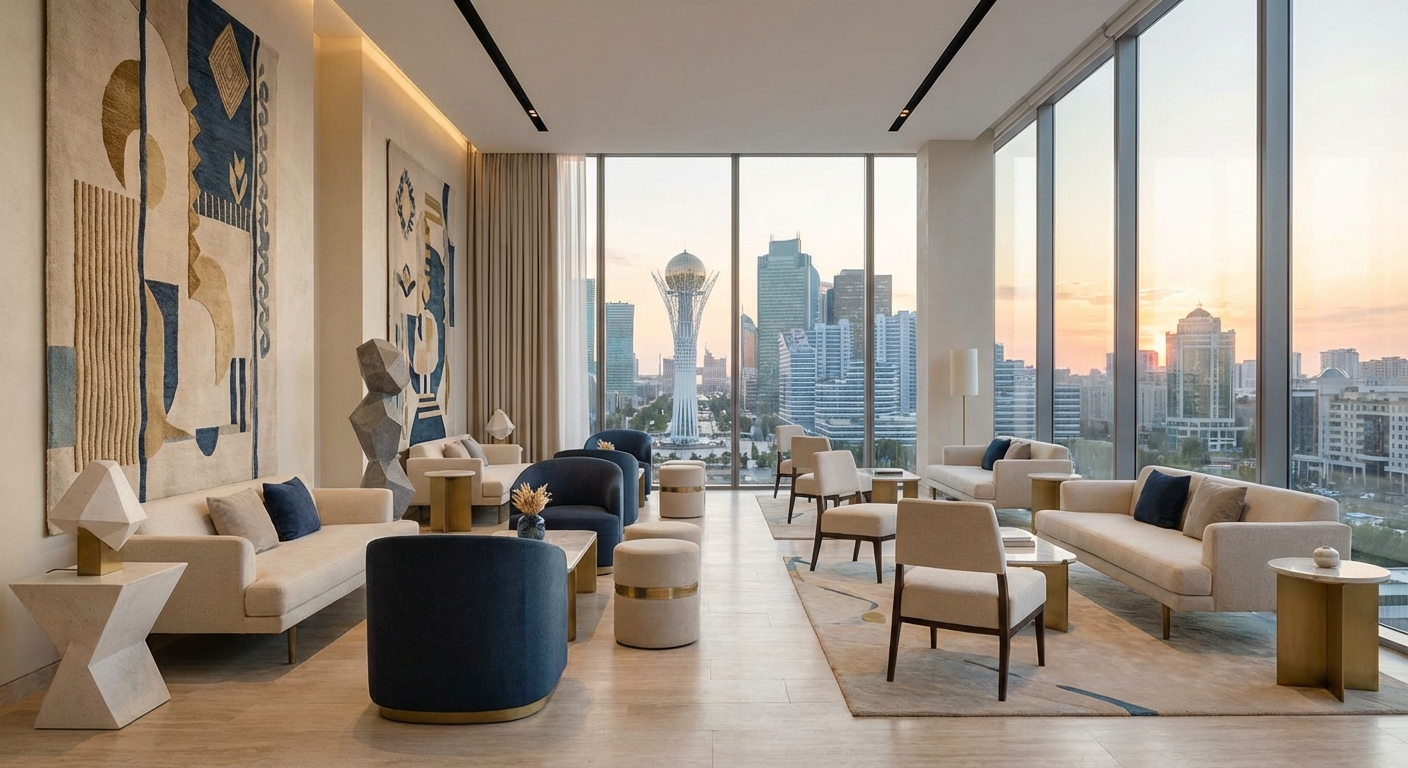
Astana’s skyline doesn’t whisper. It shouts with golden towers, futuristic curves, and buildings that seem to defy physics. The city’s hotel scene follows the same bold philosophy, especially among its boutique properties where designers have taken Central Asian aesthetics and reimagined them for the 21st century. If you’re the kind of traveler who cares as much about thread count as you do about the art hanging above your bed, Astana’s boutique hotels will surprise you.
Astana offers several exceptional boutique hotels that combine contemporary design with personalized service. The Veil leads with minimalist luxury, while Seven Inn and Jelsomino provide intimate cultural experiences. Most properties feature fewer than 50 rooms, local art installations, and locations near major attractions. Expect to pay between $120 and $350 per night for design-focused accommodations that rival European capitals at half the price.
What Makes a Hotel Truly Boutique in Astana
The term “boutique” gets thrown around carelessly. In Astana, authentic boutique hotels share specific characteristics that separate them from international chains pretending to be small.
Room count matters. True boutique properties in the city maintain between 15 and 45 rooms. This scale allows for personalized service that chain hotels simply cannot match. The staff remembers your coffee preference by day two.
Design philosophy runs deeper than expensive furniture. The best boutique hotels Astana has to offer integrate Kazakh cultural elements without resorting to kitsch. You’ll find contemporary interpretations of traditional patterns, local artist collaborations, and materials sourced from Kazakhstan’s diverse regions.
Location strategy differs too. While major chains cluster around business districts, boutique hotels often choose neighborhoods with character. Several occupy renovated Soviet-era buildings that architects have transformed into stunning modern spaces.
The Veil Hotel Redefines Minimalist Luxury
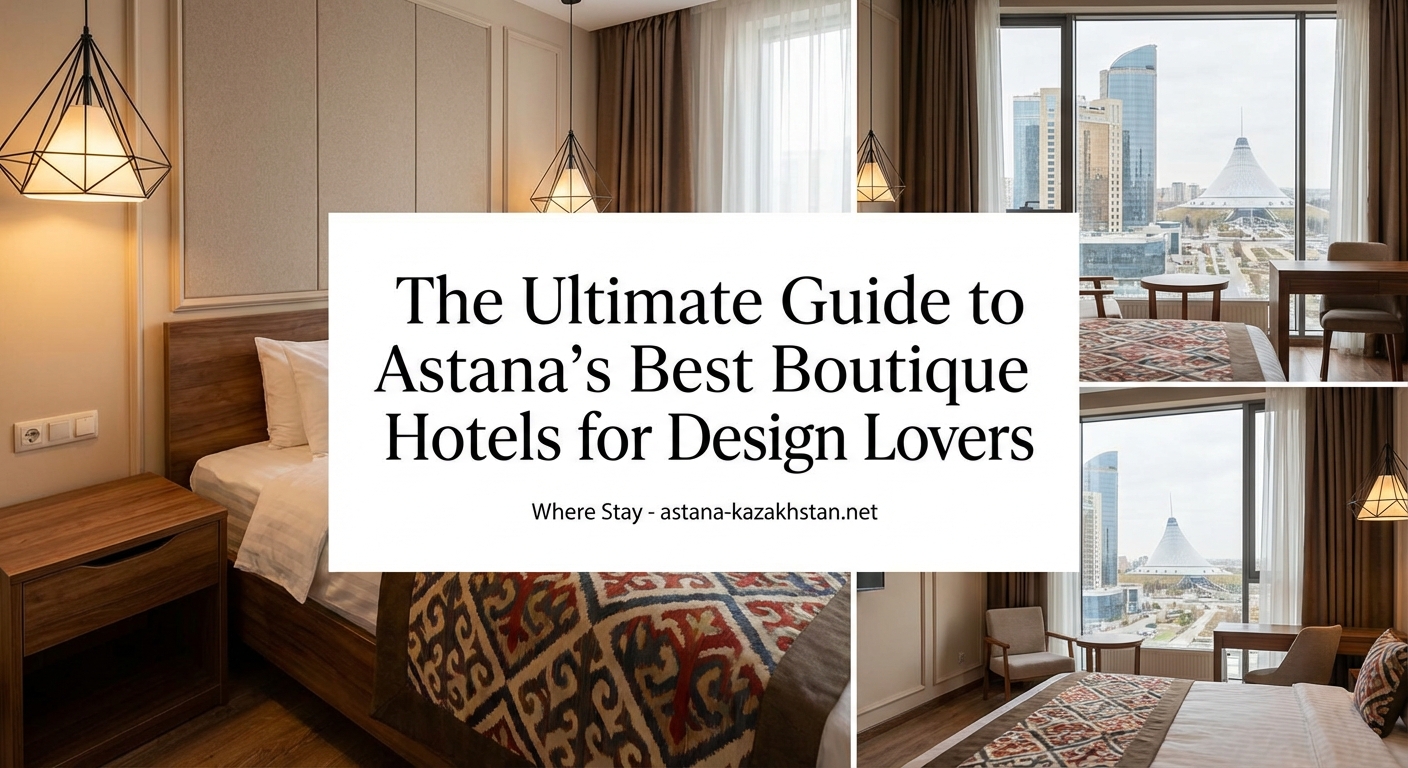
The Veil sits on the right bank, away from the futuristic left bank towers that dominate most postcards. This five-star boutique property opened in 2019 and immediately set a new standard for design-conscious accommodations.
The exterior looks understated. Black metal panels create geometric patterns that shift depending on light conditions. Inside, the aesthetic leans heavily into Scandinavian minimalism with Central Asian warmth added through textiles and wood tones.
Each of the 38 rooms features floor-to-ceiling windows, custom-designed furniture, and bathrooms clad in locally sourced marble. The color palette stays neutral, allowing the city views to provide visual interest. Rooms on higher floors offer sight lines toward the ultimate walking tour of Astana’s futuristic left bank district.
The restaurant deserves specific mention. Chef Almas Zhakupov creates modern Kazakh cuisine that respects tradition while embracing contemporary techniques. The wine list focuses on Central Asian and Georgian selections rarely found elsewhere in the city.
“We designed The Veil for travelers who appreciate restraint. Every element serves a purpose. Nothing exists purely for decoration.” – Architectural lead, The Veil Hotel
Service feels attentive without being intrusive. Staff members speak excellent English and provide genuine local recommendations rather than tourist trap suggestions.
Rates start around $280 per night. Book directly through their website for complimentary airport transfers.
Seven Inn Boutique Hotel Celebrates Kazakh Heritage
Seven Inn takes the opposite approach from The Veil’s minimalism. This 22-room property on Respublika Avenue celebrates maximalist design rooted in Kazakh nomadic culture.
The lobby immediately signals the hotel’s philosophy. Hand-woven carpets cover walls and floors. Traditional yurta-inspired circular seating areas create intimate conversation spaces. Contemporary art pieces by Kazakh painters hang alongside antique textiles.
Room design varies significantly between categories. Standard rooms feature bold geometric patterns and rich jewel tones. Suites incorporate actual yurta elements, including curved wooden ceiling details and felt wall coverings treated with modern fireproofing.
The attention to craft shows everywhere. Bathroom fixtures come from Italian manufacturers, but the tilework follows traditional Kazakh ceramic patterns. Bedside lamps use bases carved from Tien Shan walnut.
Staff members wear modern interpretations of traditional dress. The breakfast spread includes both international options and Kazakh specialties like kurt (dried cheese balls) and baursak (fried dough).
Location puts you within walking distance of the Green Water Boulevard and several excellent restaurants. The hotel sits close enough to major attractions for easy access but far enough from main roads to ensure peaceful nights.
Prices range from $145 to $220 depending on season and room category.
Jelsomino Boutique Hotel Blends European and Asian Aesthetics
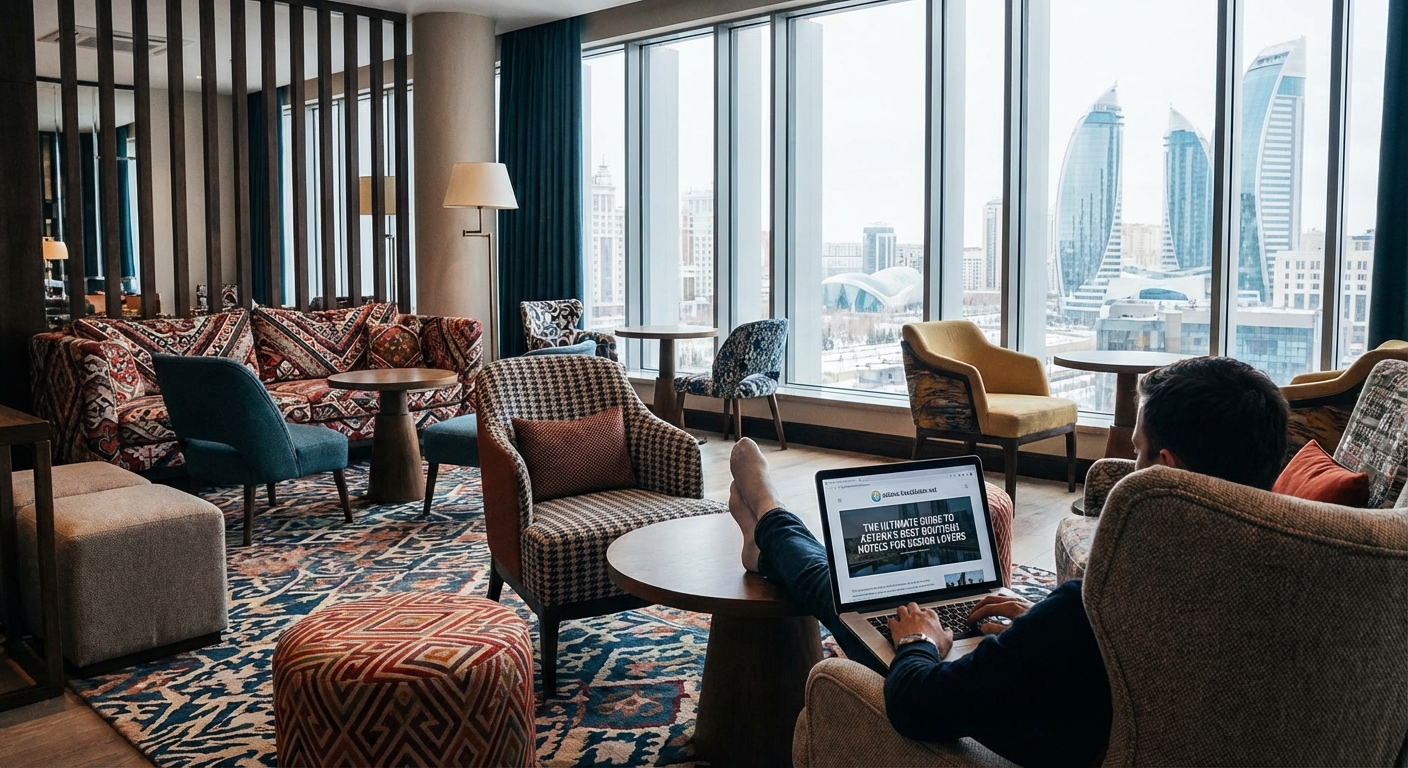
Jelsomino occupies a renovated 1980s building that architects gutted and rebuilt from the interior out. The result feels like a Milanese design hotel that somehow landed in Central Asia.
The 28 rooms split between two distinct design schemes. Half follow Italian modernist principles with clean lines, neutral tones, and statement lighting fixtures. The other half incorporate Asian influences through shoji-style screens, low-platform beds, and Japanese soaking tubs.
Public spaces emphasize art. The owners maintain a rotating gallery program featuring Central Asian contemporary artists. Pieces are for sale, and the hotel ships internationally for serious collectors.
The rooftop terrace provides unexpected value. Open from May through September, it offers 360-degree city views and a cocktail menu created by a bartender who trained in Singapore. Watching Astana after dark with the city’s best illuminated landmarks from this vantage point beats any organized tour.
Breakfast leans European with excellent espresso, fresh pastries, and charcuterie selections. The staff can arrange private city tours focused on architecture and design for guests who want deeper context.
Rates start at $165 per night. The hotel often runs promotions for stays longer than three nights.
How to Choose the Right Boutique Hotel for Your Trip
Different travelers need different things from their accommodations. This decision framework helps match your priorities to the right property.
- Identify your design preference first. Do you lean minimalist or maximalist? The Veil suits the former, Seven Inn the latter.
- Consider your itinerary’s geographic focus. Staying near the attractions you plan to visit saves transportation time and money.
- Evaluate included amenities against your actual needs. Some boutique hotels charge separately for breakfast, WiFi, or airport transfers.
- Read recent guest reviews on multiple platforms. Look for consistent patterns rather than individual complaints.
- Contact the hotel directly with specific questions. Response quality and speed indicate service standards.
| Hotel Feature | The Veil | Seven Inn | Jelsomino |
|---|---|---|---|
| Design Style | Minimalist | Maximalist Kazakh | Euro-Asian Fusion |
| Room Count | 38 | 22 | 28 |
| Starting Rate | $280 | $145 | $165 |
| Best For | Luxury seekers | Culture enthusiasts | Art collectors |
| Restaurant Quality | Exceptional | Good | Limited |
| English Proficiency | Excellent | Very good | Good |
Lesser Known Boutique Options Worth Considering
Three additional properties deserve attention despite smaller profiles.
Orynbor Boutique Hotel operates 16 rooms in a converted merchant house from the early Soviet period. The architecture alone justifies a stay. Original brick walls contrast with contemporary furnishings. The courtyard garden provides a rare outdoor retreat in the city center. Rates start around $135.
Boutique Hotel Tomiris caters specifically to female travelers, though men can book with advance notice. The 12 rooms feature design by Kazakhstani women artists and designers. The spa offers treatments using local ingredients like mare’s milk and sea buckthorn. Starting rate is $155.
Rush Hotel takes a different approach entirely. This 24-room property targets younger design-conscious travelers with lower budgets. Rooms feel more like high-end hostels with private bathrooms. Communal spaces encourage interaction. The ground floor cafe serves as a coworking space during the day. Rates begin at $95.
Booking Strategies That Save Money Without Sacrificing Quality
Timing dramatically affects boutique hotel rates in Astana. Understanding seasonal patterns helps you plan smarter.
Winter months (November through March) see significant rate drops. Temperatures plunge below freezing, but indoor attractions remain accessible and hotels offer their best deals. Expect discounts of 30 to 40 percent compared to summer rates.
Shoulder seasons (April to May and September to October) provide the sweet spot. Weather stays pleasant for walking tours and photographing Astana’s golden towers like a professional, while rates remain 15 to 25 percent below peak summer pricing.
Book directly when possible. Boutique hotels often match third-party rates and throw in extras like room upgrades, late checkout, or complimentary breakfast. Call the hotel and ask what booking direct includes.
Package deals sometimes offer genuine value. Several boutique properties partner with local tour operators for combined accommodation and experience packages. These work well if the included activities match your interests.
Loyalty programs exist even at boutique hotels. Seven Inn and Jelsomino both offer return guest discounts and perks. If you visit Astana regularly for business, joining makes sense.
What Design Details Separate Great from Mediocre
Small touches reveal whether a hotel truly understands design or simply decorated expensively.
Lighting design matters enormously. The best boutique hotels layer lighting with multiple sources at different heights. You should find bedside reading lights, ambient ceiling fixtures, and accent lighting highlighting architectural features. Harsh overhead lighting signals lazy design.
Bathroom quality tells the truth. Check for underfloor heating, rain showers with separate handheld options, and adequate counter space. Cheap fixtures dressed up with expensive tile still feel cheap.
Soundproofing separates boutique hotels from budget properties occupying similar buildings. Windows should block street noise completely. You shouldn’t hear conversations from adjacent rooms.
Textile quality shows in thread count, but also in how fabrics feel and drape. Run your hand along curtains and bedspreads. Quality materials have weight and texture.
Storage solutions matter for travelers staying multiple nights. Built-in wardrobes, drawer space, and luggage racks should feel thoughtfully placed rather than afterthoughts.
Common Mistakes Design-Conscious Travelers Make
Even experienced travelers fall into predictable traps when booking boutique hotels in unfamiliar cities.
Prioritizing photos over location. Instagram-worthy interiors mean nothing if you spend two hours daily in traffic reaching attractions. Map your planned activities first, then choose hotels within reasonable distance.
Ignoring seasonality. Some boutique hotels close rooftop terraces, pools, or outdoor dining areas during winter. Verify that amenities you care about operate during your travel dates.
Assuming boutique means small budgets. True boutique hotels in Astana compete with five-star chains on quality. Budget accordingly or consider the more affordable options mentioned earlier.
Skipping direct communication. Email the hotel with specific requests before booking. Their response quality and helpfulness predict your actual stay experience.
Overlooking neighborhood character. Research the area surrounding your hotel. Some boutique properties sit in residential neighborhoods with limited evening dining options.
Additional Amenities That Enhance Your Stay
Beyond room design, certain features significantly improve the boutique hotel experience.
Concierge services at smaller properties often outperform chain hotel desks. Staff members typically live in Astana year-round and provide genuine insider knowledge. Ask about hidden architectural gems in Astana that most tourists miss rather than standard attractions.
In-room technology should feel intuitive. The best hotels provide universal charging ports, strong WiFi that actually works, and smart TV systems with international streaming options.
Fitness facilities vary widely. Some boutique hotels maintain small gyms with quality equipment. Others offer guest passes to nearby fitness centers. Clarify options if you exercise regularly.
Business services matter even for leisure travelers. Reliable printing, scanning, and package handling help when you need to manage life back home.
Food and beverage options range from full restaurants to simple breakfast rooms. Understand what’s included and what nearby alternatives exist for meals the hotel doesn’t serve.
Understanding Astana’s Boutique Hotel Neighborhoods
Location context helps you choose wisely.
Right Bank (Old Town) hosts several boutique properties in renovated buildings. This area feels more residential with tree-lined streets and local cafes. The Veil and Orynbor operate here. Choose this zone if you prefer neighborhood character over futuristic architecture.
Left Bank (New Town) contains fewer true boutique hotels but more design-forward chain properties. The area showcases Astana’s famous contemporary architecture. Stay here for easy access to major landmarks and government buildings.
Central Business District sits between the two banks. Several boutique hotels occupy this zone for proximity to offices and conference centers. Jelsomino falls into this category. Good for business travelers who want boutique character with practical location.
Residential Outskirts contain a few boutique properties that trade central location for larger grounds and parking. These work better for travelers with cars or those planning day trips from Astana you can’t miss.
Practical Considerations Beyond Design
Even the most beautiful hotel disappoints if practical elements fail.
Airport transfer arrangements vary significantly. Some boutique hotels include complimentary pickup in their rates. Others charge $30 to $50 for the service. Taxis from Nursultan Nazarbayev International Airport to central hotels cost $15 to $25 depending on traffic and negotiation skills.
Payment methods deserve verification. Most boutique hotels accept major credit cards, but some add 3 to 5 percent processing fees. Carrying some local currency (Kazakhstani tenge) provides flexibility.
English proficiency generally runs high at boutique properties catering to international guests. Still, having translation apps ready helps with specific requests or problem-solving.
Visa requirements for Kazakhstan changed recently. Most Western passport holders receive 30-day visa-free entry. Verify current rules through Kazakhstan’s visa guide with everything you need to know before you go.
Comparing Boutique Hotels to International Chains
Understanding the trade-offs helps set appropriate expectations.
Boutique hotels offer superior design, personalized service, and authentic local character. You’ll remember the experience long after checkout. Staff members often go beyond standard service protocols to accommodate requests.
International chains provide consistency, loyalty program benefits, and familiar amenities. If you’ve stayed at a Marriott in Dallas, you know exactly what to expect from one in Astana. Some travelers find this predictability comforting.
Price comparisons favor boutique hotels in Astana. You’ll pay $200 to $300 for boutique luxury that would cost $400 to $500 at equivalent chain properties in Western Europe.
The best boutique hotels Astana offers compete directly with five-star chains on quality while maintaining distinct personality. You sacrifice some amenities like large pools or extensive room service menus. You gain memorable design and genuine local connections.
When Boutique Hotels Make the Most Sense
Certain trip types align perfectly with boutique accommodations.
Anniversary or celebration trips benefit from the special atmosphere boutique hotels create. The Veil’s minimalist luxury or Seven Inn’s cultural immersion both elevate romantic getaways.
Architecture and design tourism obviously pairs well with design-focused hotels. Staying at properties that exemplify contemporary Kazakh design adds depth to your understanding.
Extended business stays become more pleasant in boutique settings. After your third night in a chain hotel, rooms blur together. Boutique properties maintain interest across longer visits.
Photography-focused trips gain from boutique hotel aesthetics. Many properties welcome interior photography and provide excellent subjects beyond what to see in Astana when you only have 24 hours.
Solo travelers often appreciate boutique hotel common areas designed for interaction. Meeting other guests feels natural in these settings compared to chain hotel anonymity.
Questions to Ask Before Booking
These specific questions reveal important details that standard hotel descriptions omit.
- What renovation or maintenance work is scheduled during my dates?
- Do room rates include breakfast, WiFi, and taxes, or are these added separately?
- What is your cancellation policy, and do you offer flexible rate options?
- Can you describe the noise levels in different room categories?
- What local restaurants within walking distance do you recommend?
- Do you arrange private tours or experiences beyond standard offerings?
- What distinguishes your premium room categories from standard options?
- How do you handle early check-in or late checkout requests?
Where Astana’s Boutique Scene Heads Next
The city’s boutique hotel market continues evolving rapidly.
Several new properties entered development in 2023 and 2024. These projects focus on adaptive reuse of Soviet-era buildings rather than new construction. Architects are transforming former government offices and residential blocks into boutique hotels that preserve historical elements while adding contemporary comfort.
Sustainability initiatives are gaining traction. Newer boutique hotels incorporate energy-efficient systems, local sourcing, and waste reduction programs. The market increasingly values environmental responsibility alongside design excellence.
Local ownership is increasing. Early boutique hotels often involved foreign investment and management. Recent openings show more Kazakhstani entrepreneurs creating properties that reflect authentic local perspectives rather than international consultants’ interpretations of Kazakh culture.
Technology integration is improving. Newer properties balance high-tech conveniences like mobile check-in and smart room controls with the personal touch that defines boutique hospitality.
Making Your Boutique Hotel Choice
Selecting among Astana’s best boutique hotels ultimately depends on which aspects of design and service matter most to you.
The Veil delivers if you want minimalist luxury and exceptional dining. The higher price point buys refinement and restraint executed at the highest level.
Seven Inn suits travelers who want cultural immersion through design. The property celebrates Kazakh heritage without feeling like a museum.
Jelsomino appeals to art enthusiasts and those who appreciate Euro-Asian fusion aesthetics. The rotating gallery program adds intellectual interest to visual beauty.
Smaller properties like Orynbor, Tomiris, and Rush serve specific niches effectively. Match their particular strengths to your trip purpose.
Book early for summer travel. The best boutique hotels Astana has to offer maintain limited inventory that fills months in advance during peak season. Winter and shoulder seasons allow more flexibility and better rates.
Your hotel choice shapes your entire Astana experience. Chain hotels provide comfortable anonymity. Boutique properties offer memorable design and genuine connections to the city’s creative community. Choose the option that aligns with how you want to remember your time in Kazakhstan’s remarkable capital.
Leave a Reply