
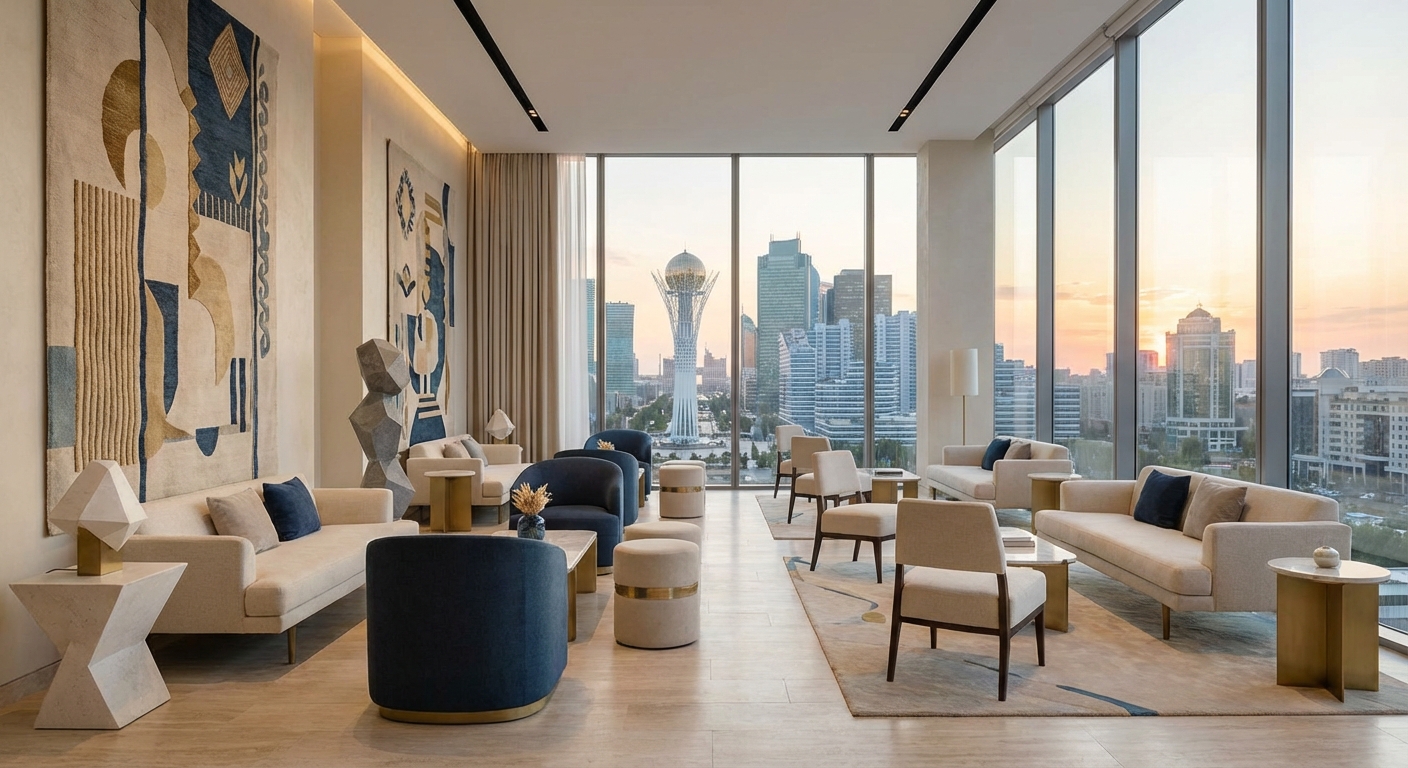
Astana rises from the Kazakh steppe like a futuristic mirage, all golden towers and gravity-defying architecture. But behind the city’s bold skyline lies a growing collection of intimate properties where design takes center stage. These aren’t cookie-cutter chain hotels. They’re spaces where traditional Kazakh craftsmanship meets contemporary aesthetics, where every corner tells a story, and where your room becomes part of the experience.
Boutique hotels in Astana blend futuristic design with Kazakh heritage, offering personalized service and unique aesthetics that chain properties can’t match. Expect locally-sourced art, architect-designed interiors, and locations near the city’s most photogenic landmarks. Prices range from $80 to $300 per night, with most properties concentrated in the Left Bank district where modern Astana truly comes alive.
What makes a hotel truly boutique in Astana
The term “boutique” gets thrown around carelessly. In Astana, authentic boutique properties share specific characteristics that set them apart from standard accommodations.
Size matters here. Most genuine boutique hotels feature fewer than 50 rooms. This limited capacity allows staff to remember your name, your coffee preference, and whether you need extra pillows. The Veil Hotel exemplifies this approach with just 32 rooms, each receiving daily attention from a dedicated team.
Design philosophy drives these properties. You won’t find generic beige walls or mass-produced artwork. Instead, expect curated collections from Kazakh artists, custom furniture pieces, and architectural details that reference the country’s nomadic heritage. Some properties incorporate traditional felt-making techniques into wall treatments. Others reinterpret yurt structures through modern materials like glass and steel.
Location choices reflect intentionality. Rather than clustering near the airport or convention centers, boutique hotels position themselves in neighborhoods where architecture and culture intersect. Many sit within walking distance of the futuristic Left Bank district, placing you steps from Bayterek Tower and the Palace of Peace and Reconciliation.
Service philosophy emphasizes personalization over protocol. Staff members act as local insiders, recommending the neighborhood’s best coffee shops for digital nomads or arranging private tours of hidden architectural gems most tourists miss.
How to choose the right boutique property for your style
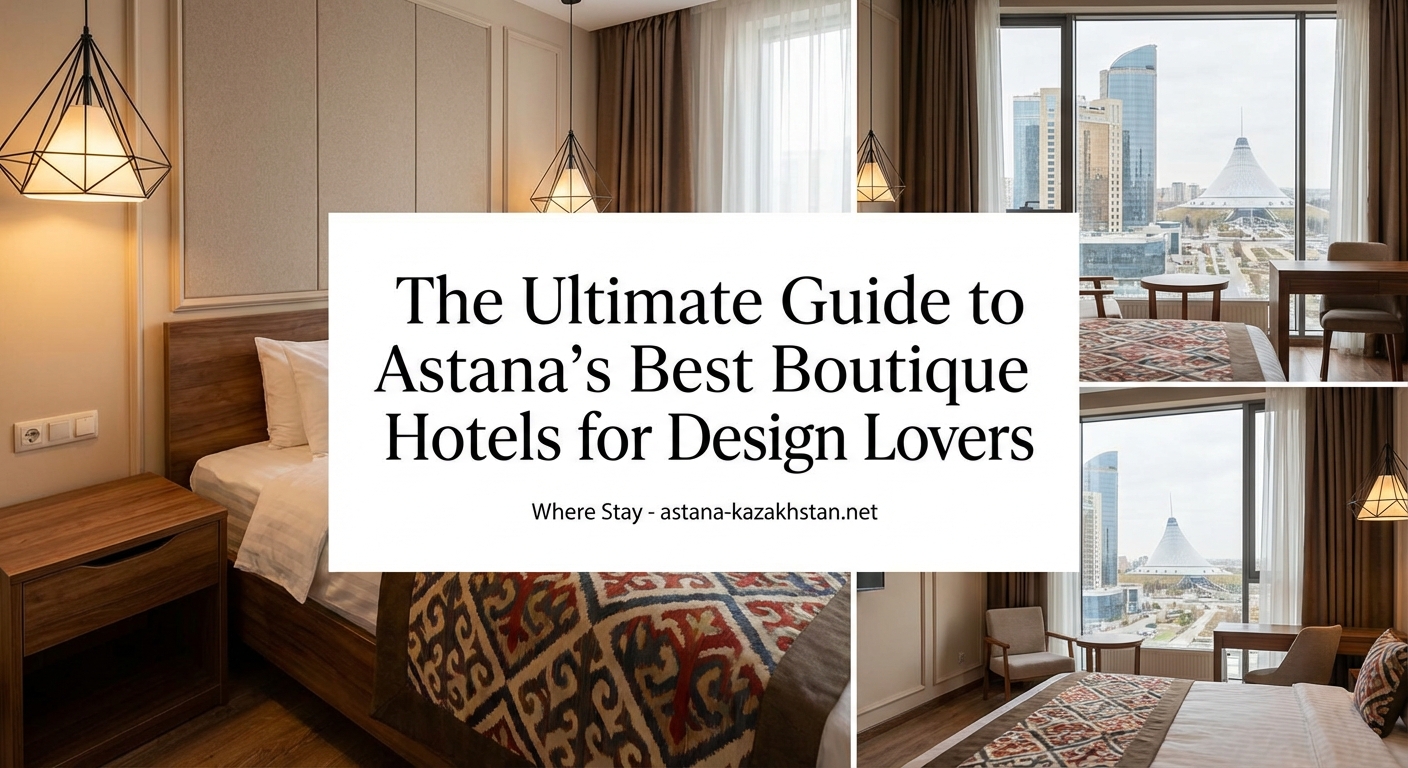
Finding your perfect match requires understanding what different properties prioritize. Follow this process to narrow your options.
-
Define your design preferences first. Do minimalist Scandinavian aesthetics appeal to you, or do you prefer maximalist interiors with bold patterns and rich textures? Astana’s boutique scene offers both extremes and everything between.
-
Consider your location priorities. Properties near Bayterek Tower put you at the heart of new Astana’s architectural showcase. Those in the Old Town offer glimpses of pre-capital life alongside emerging creative districts.
-
Evaluate amenities honestly. Some travelers need rooftop bars and spa facilities. Others want nothing more than exceptional bedding and strong wifi. Boutique hotels excel at specific niches rather than trying to be everything to everyone.
-
Research the story behind each property. The best boutique hotels have founding narratives that shape their character. One might be owned by a Kazakh artist collective. Another could occupy a renovated Soviet-era building reimagined by a Pritzker Prize-nominated architect.
-
Read recent guest reviews focusing on design-specific feedback. Look for comments about lighting quality, bathroom aesthetics, and whether the interiors photograph as beautifully as promotional images suggest.
Standout design elements to expect
Astana’s boutique hotels incorporate distinctive features that reflect both local culture and international design trends.
Traditional craft reinterpretations: Many properties commission contemporary artists to reimagine Kazakh textile patterns. You might find shyrdak felt carpets displayed as wall art or traditional jewelry motifs laser-cut into metal room dividers. These elements connect you to nomadic heritage without resorting to theme-park kitsch.
Dramatic lighting design: Given Astana’s extreme seasonal light variations (summer brings nearly 16 hours of daylight, winter shrinks it to 8), boutique hotels invest heavily in lighting systems. Expect layered schemes that shift throughout the day, statement fixtures from European designers, and thoughtful bedside reading lights that actually work.
Locally-sourced materials: Marble from Kazakh quarries, wood from Altai forests, and metalwork from Almaty artisans appear throughout better properties. This sourcing strategy reduces environmental impact while supporting local craftspeople and creating authentic regional character.
Bathrooms as design showcases: Boutique properties treat bathrooms as opportunities for bold statements. Hammam-inspired wet rooms, freestanding tubs positioned before floor-to-ceiling windows, and custom tile work elevate these spaces beyond mere functionality.
Flexible common areas: Rather than rigid lobby-restaurant-bar divisions, expect flowing spaces that adapt to different needs. Morning coffee service in a sunlit atrium transforms into afternoon coworking space, then becomes an evening wine bar.
Price expectations and what you actually get
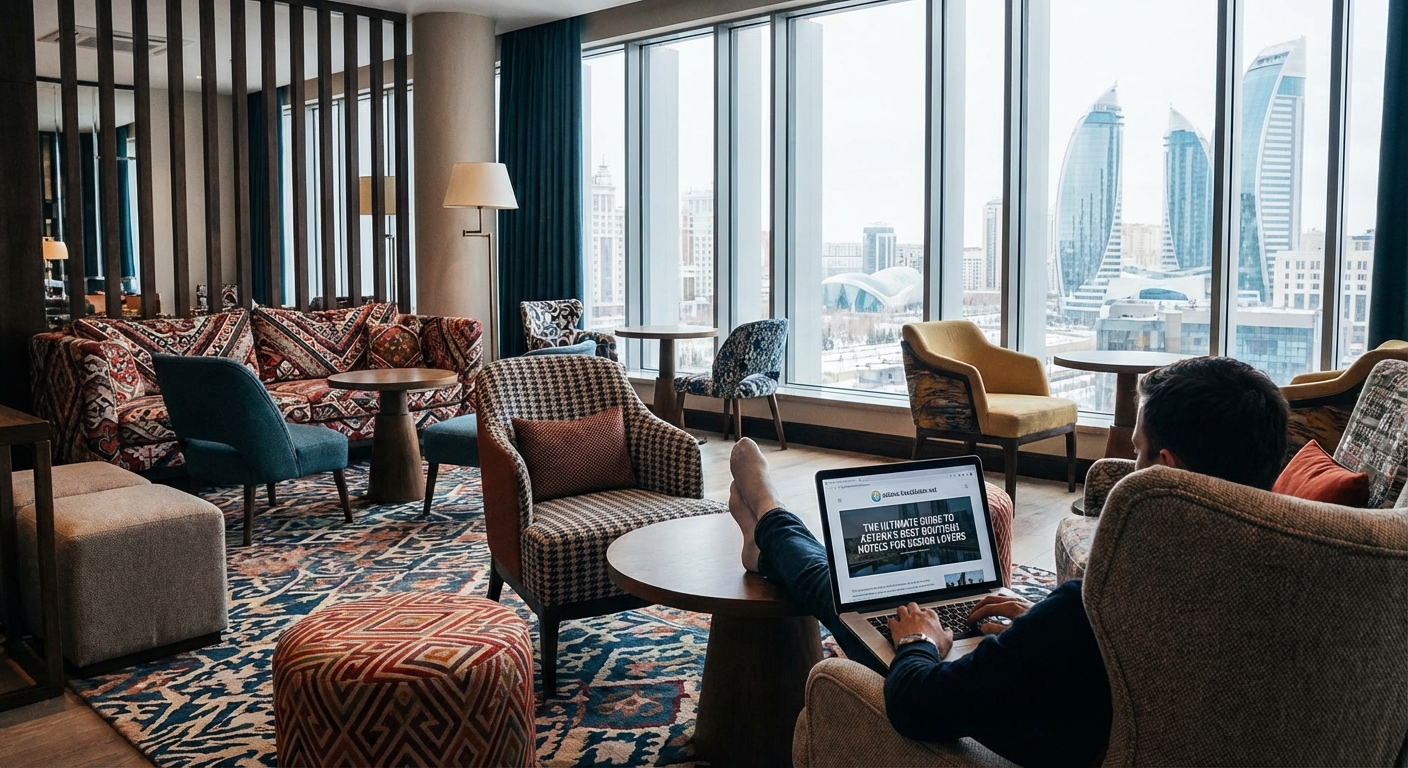
Understanding boutique hotel pricing in Astana helps set realistic expectations and identify genuine value.
| Price Range | Typical Features | Best For |
|---|---|---|
| $80-120 | Designer rooms, local art, personalized service, breakfast included | Budget-conscious design lovers willing to sacrifice amenities for aesthetics |
| $120-180 | Above plus prime location, rooftop access, curated minibar, concierge services | Most travelers seeking balance between style and substance |
| $180-250 | Above plus spa facilities, in-room technology, restaurant by notable chef | Those prioritizing comprehensive luxury with distinctive design |
| $250+ | Suites, private terraces, custom experiences, exclusive access to city events | Travelers for whom budget isn’t a primary consideration |
Seasonal pricing fluctuations affect these ranges significantly. Summer (June through August) and major event periods see rates climb 30-40% above baseline. Winter months (December through February) often bring discounts of 20-25%, though you’ll face temperatures that regularly drop below -20°C.
Most boutique properties include breakfast in their rates, but confirm this during booking. Astana breakfasts at better hotels showcase regional specialties alongside international options, featuring everything from traditional kurt (dried cheese balls) to fresh baked goods and locally-roasted coffee.
“The best boutique hotels don’t just provide a place to sleep. They become your introduction to a city’s creative community, a gallery of local talent, and a launching point for authentic experiences you’d never find from generic accommodations.” — Architectural Digest
Common mistakes design-focused travelers make
Even experienced travelers stumble when booking boutique hotels in Astana. Avoid these pitfalls.
Assuming all small hotels are boutique: Size alone doesn’t create boutique character. Some small properties simply lack resources to invest in design. Others prioritize business travelers over aesthetics. Verify design credentials through recent photos and detailed descriptions.
Overlooking neighborhood context: A beautifully designed hotel in an inconvenient location creates frustration. Check walking distances to attractions you care about. Astana’s winter weather makes even short walks challenging, so proximity matters more than in temperate cities.
Ignoring room category differences: Within the same property, standard rooms might feel cramped and uninspired while suites showcase the designer’s full vision. If budget allows, upgrading one category often delivers disproportionate improvements in space and design quality.
Booking too far in advance: Unlike major international chains, boutique hotels frequently adjust rates based on demand. Booking 6-12 months ahead rarely secures better pricing than reserving 4-6 weeks before arrival, except during major events.
Skipping direct communication: Email the property before booking. Ask specific questions about design elements that matter to you. This dialogue often reveals whether staff truly understand their property’s aesthetic or simply parrot marketing copy.
Photography opportunities inside boutique properties
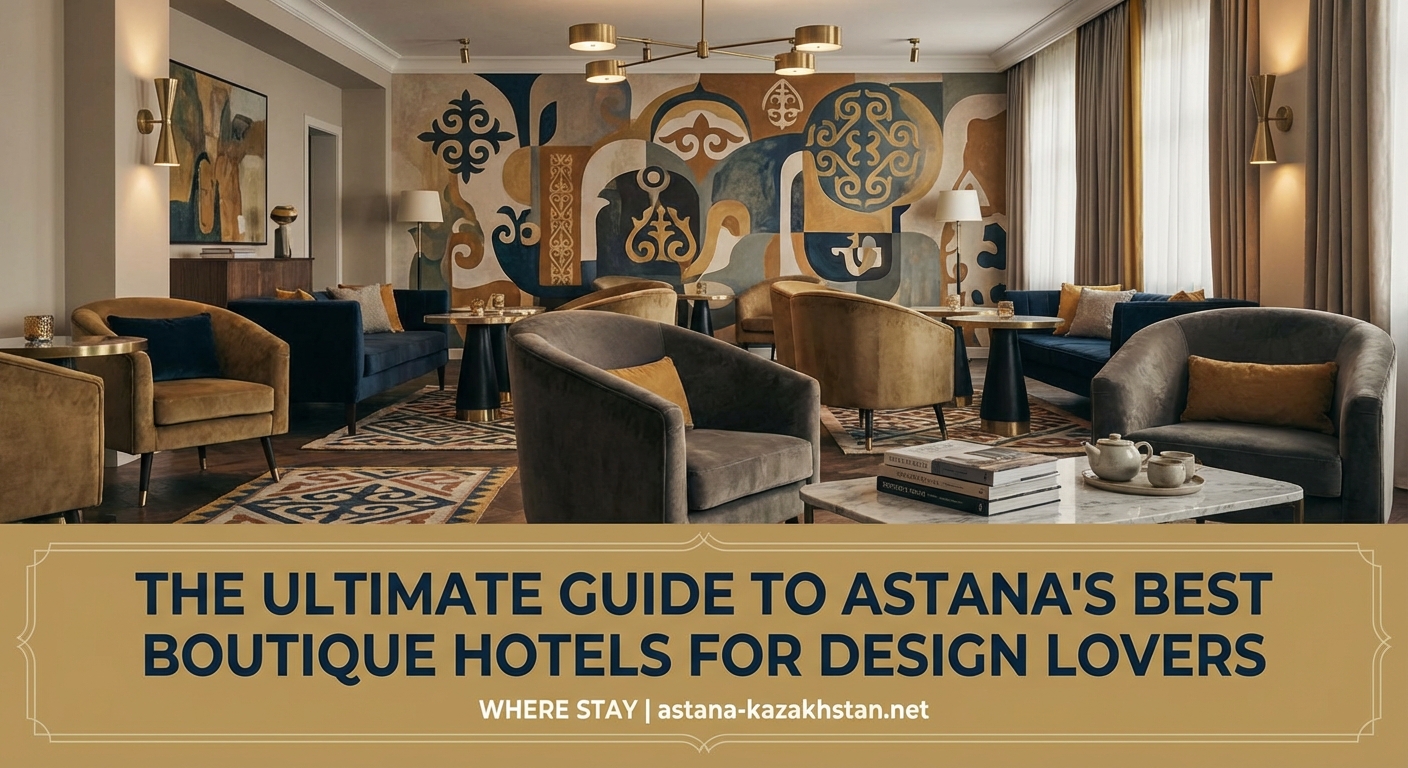
For Instagram-focused travelers, these hotels offer exceptional visual opportunities beyond standard tourist snapshots.
Lobby areas typically receive the most dramatic design treatment. Visit during golden hour when natural light pours through architectural windows, creating dynamic shadows across statement furniture pieces. Many properties feature double-height atriums or sculptural staircases that photograph beautifully from multiple angles.
Room interiors reward careful composition. Focus on vignettes rather than trying to capture entire spaces. A carefully styled bedside table, an artisan-crafted light fixture, or the interplay between traditional textiles and modern furniture tells stronger visual stories than wide-angle room shots.
Rooftop spaces provide dual value, combining the hotel’s design elements with Astana’s dramatic skyline. Time your visit for the city’s illuminated landmarks at dusk, when both natural and artificial light create optimal conditions.
Detail shots showcase craftsmanship. Photograph tile patterns in bathrooms, textile close-ups, hardware finishes, and architectural details that reveal the property’s design philosophy. These images often generate more engagement than obvious beauty shots.
Before photographing, confirm the hotel’s policy. Most boutique properties welcome social media sharing but appreciate being tagged. Some restrict photography in certain areas to protect other guests’ privacy.
Seasonal considerations for your stay
Astana’s extreme continental climate dramatically affects the boutique hotel experience throughout the year.
Winter (December-February): Temperatures plunge to -30°C or lower. Boutique hotels become cozy refuges with fireplaces, heated floors, and thermal windows that frame snowy cityscapes. This season suits travelers who prioritize interior experiences over outdoor exploration. Many properties offer traditional dastarkhan feasts as indoor cultural experiences.
Spring (March-May): Unpredictable weather brings mud season followed by rapid greening. Boutique hotels with courtyards or terraces begin opening these spaces. Rates remain moderate while the city prepares for summer. Book now if you want to experience Nauryz celebrations in late March.
Summer (June-August): Peak season brings warm weather, long daylight hours, and maximum rates. Rooftop bars and outdoor spaces justify premium pricing. Properties near parks or water features become especially desirable. Reserve well ahead for July and August.
Autumn (September-November): Comfortable temperatures and dramatic fall colors create ideal conditions for architectural photography. Boutique hotels see fewer crowds while maintaining full services. September offers the year’s best value proposition.
What to know about service expectations
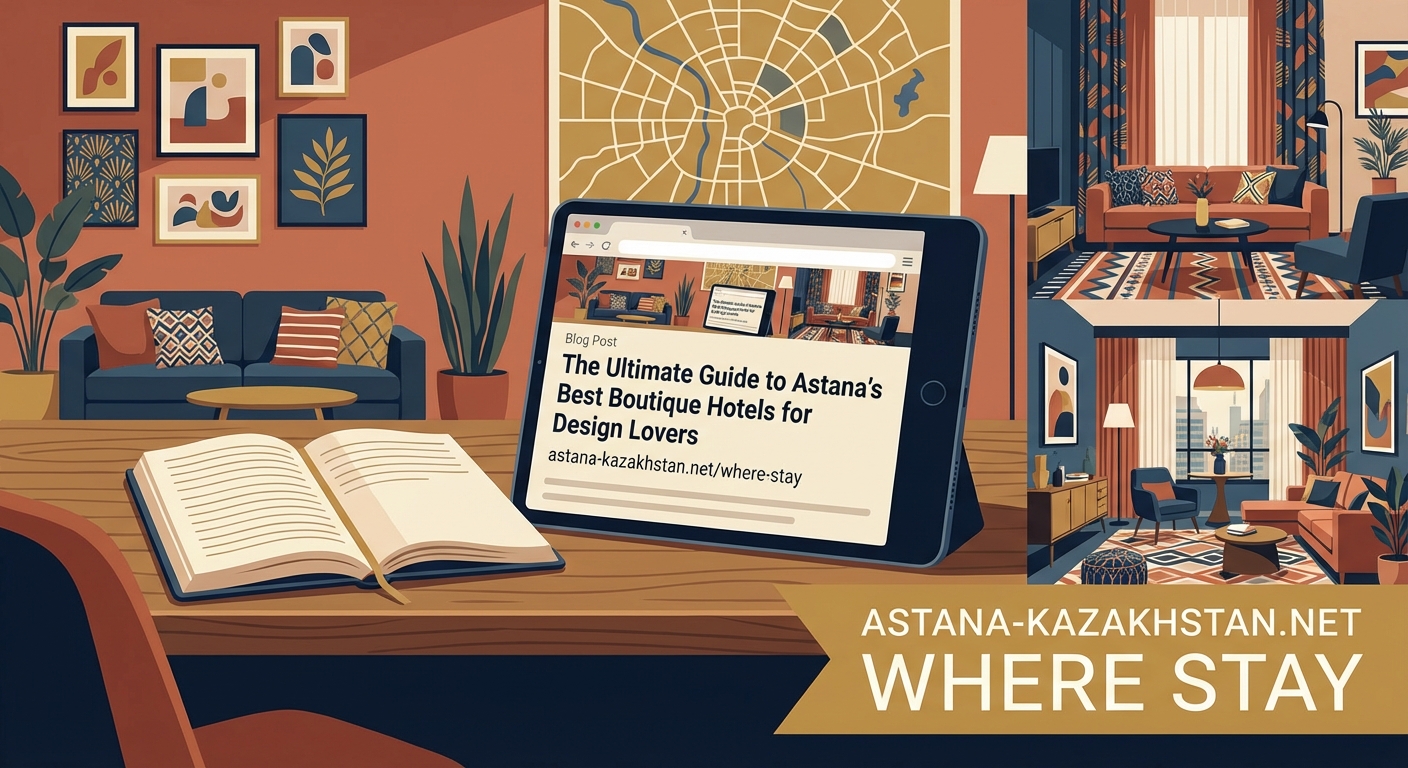
Boutique hotels in Astana approach service differently than international chains, reflecting both local hospitality traditions and contemporary luxury standards.
Staff-to-guest ratios typically run higher than at larger properties. Expect genuine recognition from your second day onward. Front desk teams remember your preferences without constant reminders. Housekeeping staff notice if you prefer extra towels or dislike decorative pillows.
Concierge services lean toward insider knowledge rather than standard tour bookings. Ask about emerging artists’ studio visits, invitations to private gallery openings, or reservations at restaurants that don’t appear in guidebooks. Better properties maintain relationships with cultural gatekeepers who can arrange experiences impossible to book independently.
Communication styles blend Kazakh formality with international hospitality norms. Staff members show deep respect while remaining genuinely warm. Learning basic Russian or Kazakh greetings enhances interactions, though English proficiency continues improving across upscale properties.
Flexibility characterizes boutique service philosophy. Need breakfast at 5 AM before an early flight? Want dinner served in your room at midnight? Prefer your minibar stocked with specific items? Reasonable requests receive accommodation rather than policy citations.
Beyond the room itself
The best boutique hotels extend their design philosophy throughout the property, creating cohesive experiences.
In-house dining venues often showcase the same design attention as guest rooms. Restaurants might feature open kitchens where you can watch traditional Kazakh dishes being prepared using contemporary techniques. Bar areas incorporate local spirits and innovative cocktails that reference regional ingredients.
Common spaces encourage lingering rather than mere passage. Libraries stock design monographs and local literature. Lounges provide proper work surfaces with abundant power outlets for digital nomads. Some properties maintain small galleries rotating exhibitions from Kazakh artists.
Wellness facilities, when present, reflect local bathing traditions reinterpreted through modern spa design. Hammam-inspired steam rooms, cold plunge pools, and treatment rooms using local ingredients like mare’s milk or sea buckthorn create distinctive experiences.
Outdoor spaces matter enormously during Astana’s brief but intense summer. Courtyards, roof terraces, and balconies become essential amenities. The best properties landscape these areas with native plants and provide comfortable furniture that withstands extreme temperature swings.
Making the most of your boutique stay
Maximize your experience through intentional engagement with the property and surrounding neighborhood.
Arrive early if possible: Even if rooms aren’t ready, boutique hotels typically welcome early arrivals to store luggage and enjoy common spaces. Use this time to consult with staff about neighborhood recommendations and make restaurant reservations.
Explore the property thoroughly: Don’t limit yourself to your room and the restaurant. Discover hidden seating areas, rooftop access, library collections, and art installations throughout the building. These spaces often reveal the designer’s full vision.
Engage with staff about design choices: Ask front desk teams or managers about the property’s design story. Who created the interiors? Which local artisans contributed? What inspired specific choices? This context enriches your appreciation.
Venture into the neighborhood on foot: Boutique hotels choose locations for their character. Walk surrounding blocks to discover the galleries, cafes, and shops that define the area. Staff can provide walking route suggestions.
Document thoughtfully: Photograph the property respectfully, capturing details that moved you rather than trying to replicate promotional images. Share these on social media with proper tags, supporting the property while building your own content portfolio.
Provide specific feedback: Before checkout, share detailed observations about what worked and what didn’t. Boutique properties genuinely value this input and often implement guest suggestions.
Comparing Astana’s boutique scene to other cities
Understanding Astana’s position within the global boutique hotel landscape helps calibrate expectations.
The city’s boutique offerings remain emerging compared to established design capitals like Copenhagen or Tokyo. You’ll find fewer properties overall, and some lack the polish of hotels in cities with decades of boutique hospitality experience. However, this nascent stage brings advantages. Prices undercut comparable properties in Western Europe by 30-50%. Staff maintain genuine enthusiasm rather than jaded professionalism. Design choices feel fresh rather than derivative.
Astana’s boutique hotels integrate local culture more authentically than many international properties. Rather than superficial nods to Kazakh heritage, better hotels commission contemporary interpretations of traditional crafts and support local creative communities. This approach creates distinctive character impossible to replicate elsewhere.
The city’s dramatic architecture provides a unique backdrop. Staying in a boutique property while surrounded by futuristic monuments and bold contemporary buildings creates a cohesive design-focused experience. Few cities offer this combination of intimate accommodations within such visually striking urban contexts.
Practical booking strategies
Securing the best rates and room categories requires strategic timing and platform selection.
Book directly when possible: Many boutique hotels offer rate parity across platforms but provide upgrades, late checkout, or other perks for direct bookings. Email properties directly to inquire about special offers not advertised publicly.
Join small hotel booking platforms: Services specializing in boutique and design hotels sometimes negotiate exclusive rates or packages. These platforms also provide better filtering for aesthetic preferences than mass-market booking sites.
Consider shoulder season visits: May and September deliver excellent weather with significantly lower rates than peak summer months. You’ll enjoy the same property quality while spending 25-35% less.
Monitor social media for flash sales: Boutique hotels occasionally announce limited-time promotions through Instagram or Facebook. Following properties you’re interested in can yield substantial savings.
Bundle experiences: Some hotels partner with galleries, restaurants, or cultural venues to create packages. These bundles often cost less than booking components separately while providing enhanced experiences.
Where boutique hotels fit in your Astana itinerary
Consider how your accommodation choice integrates with broader travel plans.
For first-time visitors spending just 24 hours in Astana, a centrally-located boutique hotel maximizes efficiency. You’ll minimize transit time while staying in a property that itself represents the city’s design ambitions.
Design enthusiasts planning longer stays might split time between two properties. Spend half your visit in a Left Bank boutique hotel near major monuments, then shift to an Old Town property offering different aesthetic perspectives and neighborhood character.
Travelers combining Astana with other Kazakhstan destinations should consider how boutique hotels here compare to options in Almaty. The capitals offer contrasting design philosophies worth experiencing sequentially.
Budget-conscious visitors might allocate resources strategically, splurging on a boutique property in Astana while choosing simpler accommodations elsewhere. The city’s unique architectural context makes design-focused lodging especially rewarding here.
Your room as a window into Kazakh creativity
The best boutique hotels don’t just provide shelter. They become galleries showcasing Kazakhstan’s emerging design talent and reinterpretations of cultural heritage.
Every element tells a story. That felt wall hanging references nomadic traditions while employing contemporary color palettes. The geometric metalwork echoes jewelry patterns worn by Kazakh women for centuries. The marble in your bathroom traveled from quarries in the Mangystau region, the same stone used in ancient Silk Road monuments.
Staff members at thoughtfully designed properties can explain these connections, transforming your room from mere accommodation into an educational experience. You’ll leave understanding not just Astana’s architecture but the broader cultural currents shaping modern Kazakhstan.
This depth of experience justifies boutique hotels’ premium pricing. You’re not simply paying for thread count and minibar snacks. You’re investing in cultural immersion, supporting local artists and craftspeople, and experiencing a city through the lens of its creative community.
When you check out and return to the airport or continue your journey, you’ll carry more than photos. You’ll understand how a young capital city balances ambitious futurism with respect for nomadic heritage, how contemporary designers reinterpret traditional crafts, and how hospitality can educate while it comforts. That’s what makes boutique hotels in Astana worth seeking out.