
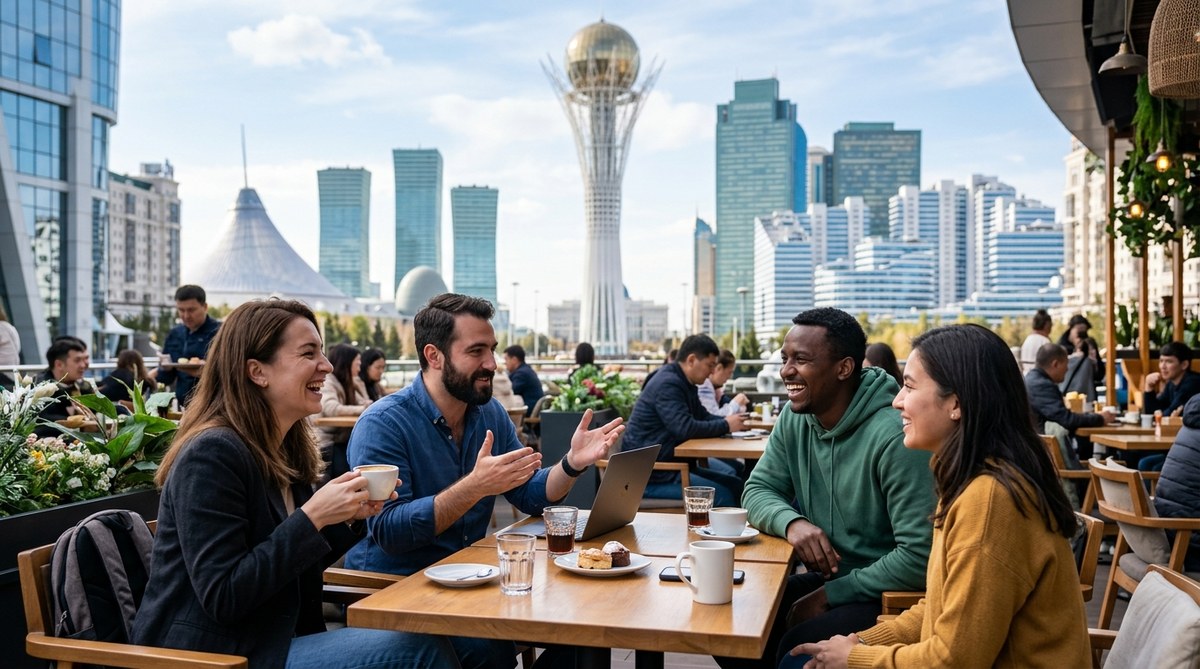
Landing in Astana as a foreigner feels like stepping onto a different planet. The futuristic skyline catches your eye first, then the cold wind hits, and finally the realization sinks in: you don’t know a single person here.
Making friends in a new country isn’t just about socializing. It’s survival.
You need people who understand what it’s like to hunt for groceries in a language you can’t read, who can recommend a decent dentist, and who won’t judge you for missing home on random Tuesday afternoons.
Expats in Astana connect primarily through [InterNations](https://www.internations.org/) events, Facebook groups, language exchanges, and workplace networks. The city has a small but active international community concentrated around major employers, international schools, and central neighborhoods. Success comes from showing up consistently, being proactive about organizing meetups yourself, and understanding that friendships here develop differently than back home due to high turnover and seasonal challenges.
The reality of the expat scene in Astana
Astana isn’t Bangkok or Dubai. The international community here is smaller, tighter, and shaped by the city’s role as a diplomatic and corporate hub.
Most expats work for embassies, oil and gas companies, international schools, or development organizations. You’ll meet teachers, engineers, diplomats, and consultants more than digital nomads or backpackers.
The community shifts constantly. Contracts end, winters break people, and turnover is high. The friends you make in September might be gone by June.
This transience creates both challenges and opportunities. People bond faster because everyone understands the adjustment struggle. But maintaining long term friendships requires effort when half your social circle rotates every year or two.
The good news? Expats in Astana are genuinely welcoming. Everyone remembers being the new person, and most are happy to help you settle in.
Where expats actually gather
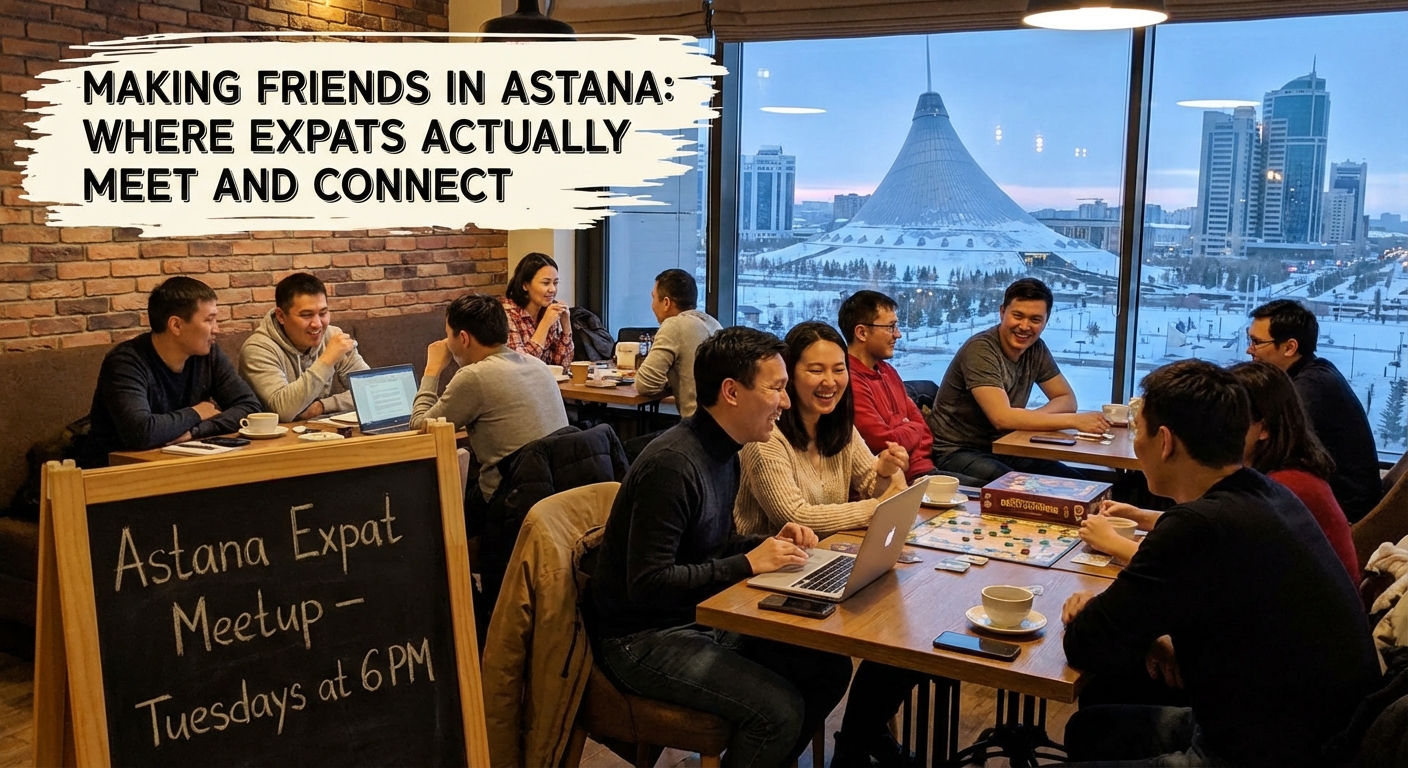
InterNations and organized expat groups
InterNations runs the most established expat community in Astana. They host monthly events at restaurants, bars, and hotels around the city. Attendance varies from 20 to 60 people depending on the season and venue.
These events work best for initial connections. You’ll meet people from dozens of countries, exchange numbers, and get invited to smaller gatherings. The atmosphere is professional but friendly. Think networking with a social twist.
Membership includes access to their online platform where members organize smaller interest groups for hiking, dining out, or weekend trips. The paid Albatross membership unlocks additional events and perks, but the free tier gives you enough access to start building connections.
Other organized groups include the Astana International Club, which focuses on cultural activities and family friendly events. They’re particularly helpful if you’re relocating with kids and want to connect with other expat families.
Facebook groups that matter
Several Facebook groups serve as the digital hub for expats in Astana:
- Expats in Astana (the largest and most active)
- Astana Expat Community
- Foreigners in Kazakhstan
- Astana International Women’s Group
These groups handle everything from apartment hunting to restaurant recommendations to last minute dinner invitations. People post about lost pets, job openings, furniture sales, and weekend plans.
The women’s group organizes coffee meetups, book clubs, and craft sessions. It’s particularly active and welcoming to newcomers.
Check these groups daily during your first month. Comment on posts, offer help when you can, and don’t hesitate to introduce yourself with a “just arrived, would love to meet people” post. You’ll get responses.
Language exchange meetups
English conversation clubs and language exchanges happen weekly at various cafes around the city. These attract both expats wanting to practice Russian or Kazakh and locals wanting to improve their English.
The quality varies, but they’re free and low pressure. You might make friends with both expats and English speaking locals who can bridge cultural gaps and introduce you to parts of city life you’d otherwise miss.
Popular spots include cafes near universities where students gather to practice languages. Check Facebook events for current schedules, as locations and times shift.
Workplace connections
Your job will likely be your primary social source, especially during the first few months. International schools, embassy compounds, and corporate offices often have built in expat communities.
Many companies organize social events, sports teams, or family days. Show up to these even if they seem corny. You’ll meet people in similar situations who understand the specific challenges of your work environment.
If your workplace doesn’t organize social activities, suggest starting a Friday lunch group or after work drinks. Someone has to take initiative, and it’s often the newest person who has the most motivation.
Step by step process for building your social circle
-
Join online groups before you arrive. Request access to Facebook groups and InterNations while you’re still packing. Introduce yourself, ask questions, and start conversations. Some people will offer to meet you at the airport or help with your first grocery run.
-
Attend three events in your first two weeks. Force yourself out even when jet lag and culture shock make your apartment feel safer. Go to one InterNations event, one language exchange, and one activity that matches your interests. You won’t click with everyone, but you’ll start recognizing faces.
-
Follow up within 48 hours. When you meet someone you connect with, message them within two days. Suggest coffee, lunch, or joining you for something specific you’re planning. Vague “we should hang out sometime” messages die in Astana’s cold.
-
Organize something yourself by week three. Host a potluck dinner, organize a weekend trip to Burabay, or start a weekly running group. People appreciate when someone else does the organizing, and you’ll become a connector in the community.
-
Say yes to invitations for the first three months. Even if you’re tired or the activity doesn’t excite you, go anyway. Your social network compounds fastest when you show up consistently. You can become more selective once you’ve established a core friend group.
Activities and venues where connections happen naturally
| Activity Type | Where It Happens | Best For |
|---|---|---|
| Weekend brunches | Coffeedelia, Line Brew, Starbucks Reserve | Casual meetups, morning people |
| Evening drinks | Sky Bar, Barley, Irish Pub | After work socializing, 30+ crowd |
| Fitness classes | World Class, CrossFit Astana, yoga studios | Health focused expats, routine building |
| Cultural events | Astana Opera, National Museum | Arts enthusiasts, date activities |
| Outdoor activities | Botanical Garden, Left Bank walking paths | Active types, dog owners |
| Shopping hangouts | Mega Silk Way, Khan Shatyr | Families, casual encounters |
The Khan Shatyr entertainment center serves as an unofficial community hub, especially during brutal winter months. You’ll run into other expats at the grocery store, cafes, and restaurants inside.
Coffee shops with good wifi attract remote workers and freelancers. Line Brew and Coffeedelia are particularly popular with English speakers who work flexible hours.
Common mistakes that keep expats isolated
Waiting for others to reach out first. Everyone’s busy adjusting to life here. If you want to see someone again, you need to send the message and suggest specific plans.
Only socializing with your own nationality. The American corner, British bubble, and other nationality based clusters exist, but they limit your experience. Some of your best friends here might be from countries you knew nothing about before moving.
Giving up after one awkward event. First meetups always feel weird. You won’t remember names, conversations will be surface level, and you’ll wonder if it’s worth the effort. It is. The second and third events get easier.
Staying home all winter. Astana’s winter is long and harsh. Expats who hibernate from November to March struggle with isolation and depression. Winter is actually when the community bonds strongest because everyone’s fighting the same battle against darkness and cold.
Comparing Astana to your previous post. If you came from a larger expat hub, Astana will feel limited. Accept it for what it is rather than what it isn’t. The smaller community means deeper connections and less superficial networking.
What to expect from friendships here
Relationships in Astana develop differently than in more established expat destinations.
People open up faster because everyone needs support systems quickly. You might find yourself having deep conversations with someone you met two weeks ago. This isn’t false intimacy. It’s survival mode bonding.
But friendships also end abruptly when contracts finish or people burn out. Don’t take it personally when someone you were close to leaves with minimal goodbye. It’s the nature of expat life in a hardship post.
“I’ve lived in seven countries, and Astana had the steepest friendship curve. Within a month, I had a solid group. But I also had to rebuild that group twice in three years as people rotated out. You learn to appreciate the time you have rather than expecting permanence.” Sarah, British teacher who spent four years in Astana
Seasonal patterns affect social life dramatically. Summer brings outdoor festivals, weekend trips, and a general mood lift that makes socializing easier. Winter requires more intentional effort. Plan regular indoor activities, host game nights, or organize group dinners to maintain connections when the weather makes spontaneous meetups harder.
The role of local friendships
Most expats in Astana maintain separate social circles with other internationals and with Kazakhs. Both matter, but they serve different purposes.
Local friends help you understand cultural context, navigate bureaucracy, and access parts of the city that expat networks miss. They’re more likely to stick around long term, providing continuity when your expat friends rotate out.
However, building genuine friendships with locals takes longer. Language barriers exist even with English speakers. Cultural differences in how people socialize, the role of family obligations, and different work schedules create natural separation.
The most successful expats invest in both circles. They maintain their expat support network for immediate understanding and shared experience while slowly building local connections that deepen their experience of Astana and Kazakhstan.
Understanding Kazakh hospitality helps bridge cultural gaps when locals invite you to their homes or family events.
Practical tips that actually work
Create a routine that includes social touchpoints. Join a gym class that meets three times weekly, commit to a language exchange every Thursday, or establish a Sunday brunch tradition. Consistency matters more than variety when building friendships.
Use your unique skills or interests to organize niche groups. If you’re into photography, start a photo walk group. Love board games? Host a monthly game night. Into running? Create a weekend running club. Niche interests attract smaller but more committed groups.
Leverage the “new person” advantage. For your first month, you have permission to be forward about wanting to meet people. After that, the window closes and you’re expected to have settled in. Use that initial period aggressively.
Document and share your experiences. Post photos from your weekend trips, write about your favorite restaurants serving beshbarmak, or share your observations about city life. People connect with those who actively engage with their surroundings.
Remember names and details. The expat community is small enough that you’ll keep running into the same people. If you remember that someone mentioned their kid’s school play or their upcoming work trip, and you follow up about it next time you meet, you’ll stand out.
Seasonal considerations for social planning
Winter (November through March) requires indoor focused activities. Coffee shop meetups, restaurant dinners, apartment parties, and mall hangouts dominate. The illuminated landmarks around the city provide beautiful backdrops for evening walks if you can handle the cold.
Spring (April and May) brings relief and renewed social energy. People emerge from hibernation ready to reconnect. This is the best time to suggest outdoor activities and day trips as the weather becomes manageable.
Summer (June through August) is peak social season. Weekend trips to nearby nature spots, outdoor festivals, evening walks along the Ishim River, and rooftop bar gatherings fill calendars. Many expats leave for extended vacations, so the community feels smaller but more tight knit.
Fall (September and October) marks the return of families from summer break and the arrival of new expats on fresh contracts. It’s the second best time to build new connections as everyone’s schedules reset and people are open to forming new friend groups before winter sets in.
When you need more structured support
Some expats struggle more than others with the adjustment period. If you’re feeling persistently isolated despite trying these strategies, consider:
- Reaching out to your embassy’s community liaison officer, who often maintains lists of support resources
- Connecting with expat focused therapists who offer online sessions and understand the unique challenges of international relocation
- Joining specialized support groups for trailing spouses, single expats, or parents, which address specific isolation patterns
The Astana International Women’s Group offers particular support for women struggling with the adjustment, including mentorship programs that pair newcomers with established expats.
Resources to bookmark now
Save these links before you arrive:
- InterNations Astana (search for the official page and request membership)
- Expats in Astana Facebook group
- Astana International Club website
- 2GIS app (for navigating the city and finding venues where events happen)
Set up your mobile internet connection immediately so you can access these resources and respond to social invitations without delay.
Check Facebook events weekly. Many gatherings are posted only a few days in advance, and spots for popular activities fill fast.
Building a life, not just passing time
The difference between expats who thrive in Astana and those who merely survive often comes down to social connection.
Those who invest energy in building friendships report higher job satisfaction, better mental health, and more positive memories of their time here. Those who isolate struggle with every aspect of expat life, from dealing with bureaucracy to handling work stress.
Astana won’t hand you a ready made friend group. The city’s too small, too new, and too transient for that. But if you show up, follow up, and keep showing up, you’ll build something real.
Your first coffee meetup might feel awkward. Your first InterNations event might leave you wondering if you’ll ever fit in. Your first month might feel lonely despite your best efforts.
Keep going. The friendships you build here will be some of the most meaningful of your life, precisely because you had to work for them in a place where nothing comes easy. The expats who become your people in Astana understand you in ways that friends back home never quite will.
Start with one message today. Join one group. Attend one event. That’s how every successful expat social circle in this city began.