
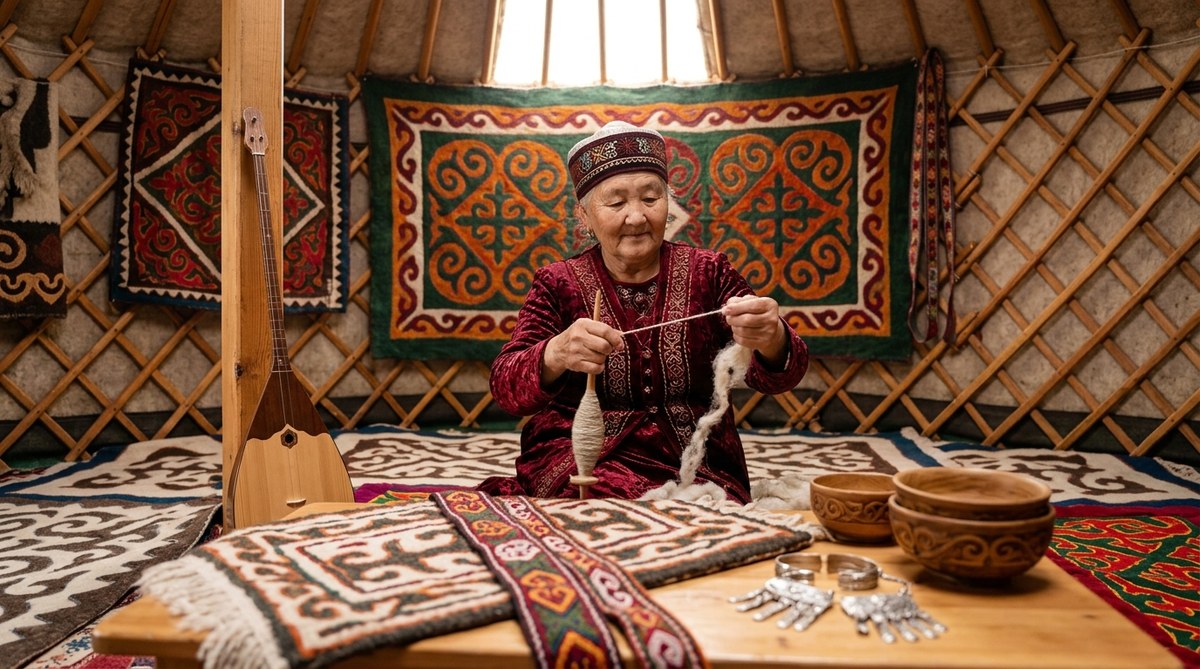
Kazakhstan’s vast steppes, rugged mountains, and endless skies tell a story of a proud nomadic heritage that has shaped the nation for centuries. This rich tapestry of traditions, crafts, and customs offers a fascinating glimpse into a world where mobility, community, and artistry are deeply intertwined. Visiting Kazakhstan allows travelers to witness living traditions that have endured through generations, connecting past and present in a vibrant cultural mosaic. Whether you’re an avid history buff, a craft lover, or a curious traveler, Kazakhstan’s nomadic roots promise an authentic experience that leaves a lasting impression.
Kazakhstan’s nomadic heritage remains alive through traditional crafts, yurt life, and cultural customs, offering travelers a unique window into its rich history and vibrant present.
Understanding Kazakhstan’s Nomadic Roots
Kazakhstan’s identity is deeply rooted in its nomadic traditions. For centuries, Kazakh tribes roamed the vast plains, living in portable dwellings called yurts and following seasonal migration patterns. These practices fostered a close bond with nature, emphasizing resilience, adaptability, and community. Today, remnants of this heritage can be seen in local crafts, festivals, and daily customs that continue to thrive in modern Kazakhstan.
The Significance of the Yurt in Kazakh Life
The yurt, or kiiz ui, is much more than just a portable home. It embodies the Kazakh nomadic spirit with its circular design, climate adaptability, and ease of assembly. These structures symbolize unity, hospitality, and the deep connection to nature.
How a yurt is built and used:
- Construction Process
- Decorative Art and Symbols
- Functionality for Seasonal Living
The design of yurts allows for quick assembly and disassembly, making them ideal for nomadic life. They are decorated with intricate patterns that often have symbolic meanings, reflecting tribal identities and personal stories.
“The yurt is the soul of Kazakh nomadism. It is a home that adapts to every season and every journey, symbolizing resilience and community,” shares cultural expert Ayan.
Traditional Crafts That Preserve Heritage
Kazakh craftsmanship is a vibrant expression of its nomadic past. Artisans have mastered techniques such as carpet weaving, jewelry making, leather working, and embroidery. These crafts serve both functional and aesthetic purposes, often carrying cultural symbolism.
- Carpet weaving: Features geometric patterns and animal motifs.
- Jewelry making: Uses silver, turquoise, and amber, often as talismans.
- Leather work: Produces saddles, bags, and decorative items.
A useful way to understand traditional crafts is through a comparison of techniques and common mistakes:
| Technique | Common Mistake |
|---|---|
| Carpet weaving | Using synthetic dyes instead of natural dyes |
| Jewelry making | Over-polishing, losing original patina |
| Leather working | Over-stretching or using improper tools |
Practical Steps for Engaging with Kazakh Crafts
If you want to participate in preserving this heritage, consider these steps:
- Visit local craft markets to see artisans at work and buy authentic pieces.
- Attend workshops that teach traditional techniques such as felt making or jewelry crafting.
- Support fair trade artisans by purchasing directly from them, ensuring the crafts sustain their communities.
Festivals Celebrating Nomadic Traditions
Kazakhstan hosts numerous festivals that highlight its nomadic culture. Nauryz, the Kazakh New Year, is a vibrant celebration with traditional games, music, and food. During these festivals, you will see displays of horsemanship, traditional sports, and craft exhibitions.
Preserving and Living the Heritage Today
While modern Kazakhstan embraces technological progress, efforts to preserve its nomadic legacy remain strong. Museums, cultural centers, and community events showcase traditional crafts and customs. In Astana, the capital, you can visit sites dedicated to nomadic history, such as the Kazakh Ethnographic Museum.
How Visitors Can Experience Nomadic Culture
- Stay in a traditional yurt at designated tourist sites or eco-resorts.
- Participate in cultural workshops to learn craft techniques firsthand.
- Attend local festivals to witness traditional music, dance, and sports.
“Engaging directly with artisans and participating in cultural events provides a deeper understanding of Kazakhstan’s nomadic soul,” advises cultural anthropologist Alina.
Practical Tips for Travelers
- Respect cultural customs and ask permission before photographing craftspeople.
- Learn basic Kazakh or Russian phrases to connect more meaningfully.
- Plan visits during festivals or craft fairs for the most authentic experience.
- Support local artisans by purchasing handmade crafts directly from them.
Bridging Past and Present Through Craftsmanship
Kazakh traditional crafts are more than artifacts. They are living expressions of a resilient culture that has thrived amid changing times. Modern artisans blend age-old techniques with contemporary designs, keeping the heritage alive for new generations. Visiting craft workshops or markets offers a chance to see this vibrant continuity firsthand.
Celebrating the Spirit of Kazakh Nomadic Heritage
Kazakhstan’s nomadic traditions remain vital to its national identity. From the circular design of yurts to intricate weaving patterns, each craft and custom tells a story of resilience, community, and harmony with nature. By engaging with these living traditions, travelers contribute to preserving this remarkable heritage.
Final Thoughts
Traveling to Kazakhstan opens a door to a world where tradition and innovation coexist harmoniously. Participating in local crafts, understanding customs, and witnessing festivals deepen your connection to the land and its people. Carry these lessons with you as a reminder of the beauty found in living traditions that continue to shape Kazakhstan today.