
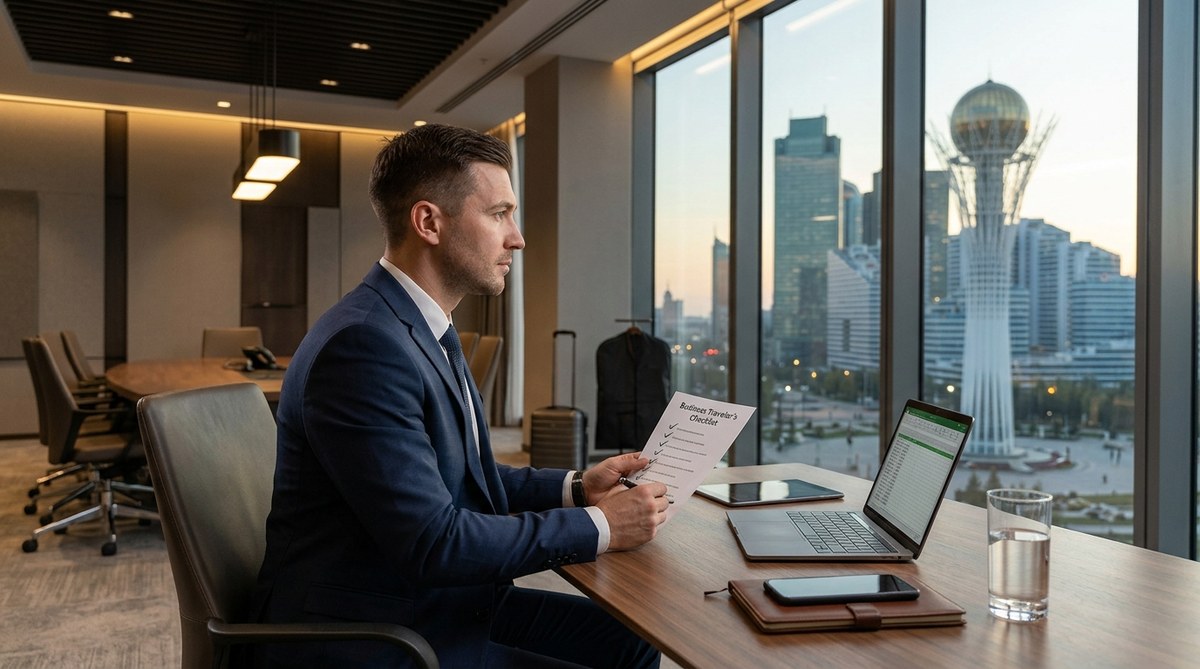
Planning a business trip to Kazakhstan’s capital means more than just finding a place to sleep. You need reliable meeting spaces, strong internet, and staff who understand the urgency of a last-minute presentation change. Astana has transformed into a regional business hub, and its hotels have evolved to match that ambition.
Astana offers excellent conference hotels clustered around the Left Bank business district. The Rixos President, Hilton Astana, and St. Regis lead with ballrooms accommodating 500+ guests. Mid-tier options like Ramada and Wyndham Garden provide solid tech at lower rates. Book directly for better AV packages and negotiate catering minimums during shoulder seasons for significant savings on multi-day events.
Understanding Conference Hotel Standards in Astana
Not every hotel with a meeting room qualifies as conference-ready.
The real test comes down to bandwidth capacity, backup power systems, and staff who know how to troubleshoot a projector at 8:55 AM. Astana hotels with conference facilities typically offer tiered spaces ranging from boardrooms for 12 people to ballrooms handling 800.
International chains brought global standards when they arrived in the early 2010s. Local properties have since caught up, often offering more flexible pricing and personalized service.
The Left Bank district concentrates most business hotels near government ministries and corporate headquarters. Staying here cuts commute time and puts you within walking distance of the ultimate walking tour of Astana’s futuristic left bank district.
Right Bank properties cost less but add 20 to 30 minutes of travel during rush hour.
Top Conference Hotels by Capacity and Features
Large-Scale Event Venues
Rixos President Astana dominates the luxury conference market with 1,200 square meters of event space. Their Grand Ballroom seats 600 theater-style or 400 for banquets. The hotel provides simultaneous interpretation equipment, stage lighting, and dedicated event planners who coordinate everything from visa invitation letters to gala dinners.
Rooms start around $180 per night, with conference packages adding $85 per person for full-day meetings including lunch and coffee breaks.
Hilton Astana offers 12 meeting rooms totaling 950 square meters. The Crystal Ballroom handles 500 guests and features floor-to-ceiling windows overlooking the Ishim River. Their business center operates 24/7, crucial when your team spans multiple time zones.
The hotel sits adjacent to Khan Shatyr, making it easy to arrange team-building activities or evening entertainment without transportation logistics. Read more about whether Khan Shatyr is worth visiting for group outings.
The St. Regis Astana brings sophisticated elegance to corporate events. Their 800-square-meter ballroom includes built-in LED screens and a dedicated loading dock for exhibition setups. The hotel’s butler service extends to meeting rooms, ensuring coffee stations stay stocked and temperature controls adjust without attendees noticing.
Expect premium pricing at $220+ per night, but the seamless execution justifies costs for high-stakes gatherings.
Mid-Tier Business Hotels
Ramada by Wyndham Astana provides excellent value with six meeting rooms accommodating 10 to 200 people. Their conference coordinator responds within hours to layout changes, and the kitchen handles dietary restrictions without fuss.
Nightly rates hover around $95, making it popular for multi-day training sessions and regional conferences.
Wyndham Garden Astana features a 250-person ballroom with modular partitions creating smaller breakout spaces. The hotel upgraded its AV systems in 2023, adding wireless presentation technology and high-speed fiber internet.
Location near the Expo 2017 site means quieter surroundings than central Left Bank properties.
Holiday Inn Express Astana Turan focuses on efficiency over luxury. Their three meeting rooms max out at 80 people but include complimentary coffee service and basic AV equipment in the room rate. This works well for team meetings and small workshops where budget matters more than prestige.
How to Evaluate Conference Facilities Before Booking
Follow this process to avoid surprises on event day.
- Request detailed floor plans with exact dimensions, ceiling heights, and pillar locations that might block sightlines.
- Ask about power outlet distribution and whether additional drops require extra fees.
- Confirm internet bandwidth in writing, specifying dedicated vs. shared connections.
- Test video conferencing capabilities during a site visit, checking audio quality and camera angles.
- Review catering menus for flexibility beyond standard coffee break packages.
- Clarify setup and teardown windows, especially for multi-day events needing overnight security.
- Verify backup generators and redundant internet connections for mission-critical meetings.
“Always visit in person if the event matters. Photos hide worn carpets, poor acoustics, and staff attitudes that can make or break your conference.”
Essential Technical Specifications to Confirm
| Specification | Minimum Standard | Premium Standard | Why It Matters |
|---|---|---|---|
| Internet Speed | 50 Mbps dedicated | 500 Mbps fiber | Video calls and cloud presentations fail below threshold |
| Projector Lumens | 3,500 ANSI | 6,000+ ANSI | Ambient light washes out dim projectors |
| Audio System | Wireless mics (2) | Full PA with mixing board | Audience questions become inaudible without proper coverage |
| Climate Control | Zone-based HVAC | Individual room thermostats | Body heat from 100+ people requires responsive cooling |
| Power Capacity | 20 amp circuits | Dedicated 50 amp service | Exhibition booths and AV racks trip standard breakers |
Most Astana hotels with conference facilities provide basic specs, but premium venues document everything in service-level agreements.
Location Factors That Impact Business Events
Proximity to Nursultan Nazarbayev International Airport matters for international attendees. The 25-kilometer drive takes 30 minutes in light traffic but stretches to 75 minutes during morning rush.
Hotels offering airport shuttle services save coordination headaches, though ride-sharing apps work reliably throughout the city. Check getting around Kazakhstan for transportation context.
Walking distance to restaurants and entertainment venues keeps evening programs simple. The Left Bank concentrates options, while Right Bank properties often require taxis for dinner outings.
Winter temperatures drop to negative 30 Celsius, making indoor connections between hotels and conference centers valuable. Several properties link to shopping complexes through heated walkways.
Catering and Hospitality Services
Conference catering in Astana blends international standards with Central Asian hospitality.
Breakfast buffets typically include both continental options and traditional Kazakh items like kurt (dried cheese balls) and baursak (fried dough). Lunch packages range from $15 per person for sandwiches to $45 for three-course plated meals.
Coffee breaks cost $8 to $12 per person and should include tea service, given Kazakhstan’s strong tea culture. Premium hotels offer kumis (fermented mare’s milk) as a local specialty, though it’s an acquired taste.
Halal and vegetarian options are standard, but vegan menus require advance notice at most properties. The better hotels maintain relationships with specialized caterers for complex dietary needs.
Alcohol service follows local customs. Beer and wine flow freely, but vodka toasts remain common at formal dinners. Hotels can arrange traditional Kazakh entertainment including dombra musicians and dance performances for cultural immersion.
Learn more about traditional Kazakh hospitality customs to navigate social expectations.
Common Mistakes When Booking Conference Space
Underestimating setup time ranks as the most frequent error. A 200-person conference requires at least two hours for table arrangements, AV checks, and signage placement. Rushing leads to frazzled staff and technical glitches.
Ignoring acoustics in ballrooms causes problems. Hard surfaces and high ceilings create echo chambers without proper sound dampening. Request a noise test during your site visit.
Skipping contract details about cancellation policies and force majeure clauses proved costly during recent years. Understand what happens if attendance drops or travel restrictions emerge.
Failing to account for cultural considerations affects international events. Prayer rooms, gender-separated spaces, and specific food preparation methods matter to certain attendees. Discuss requirements upfront rather than scrambling for solutions.
Overlooking hidden fees adds unexpected costs. Some hotels charge for basic items like flip charts, extension cords, or room temperature adjustments outside standard hours.
Negotiating Better Conference Packages
Timing drives pricing power. Shoulder seasons (April-May and September-October) see lower demand, creating room for negotiation on room blocks and meeting space.
Bundling accommodation with conference services typically yields 15 to 25 percent discounts compared to booking separately. Ask about corporate rates if your company maintains ongoing relationships with hotel chains.
Multi-day events justify requests for complimentary upgrades, free meeting room hours, or waived AV fees. Hotels prefer guaranteed revenue over empty ballrooms.
Payment terms matter for budget management. Some properties accept 50 percent deposits with final payment after the event, improving cash flow for organizers.
Direct booking through hotel sales teams beats third-party platforms for conference packages. You gain direct communication channels and flexibility that online systems can’t match.
Supporting Your Attendees Beyond the Meeting Room
Business travelers appreciate hotels that understand their needs extend past conference hours.
Fitness centers with extended hours (ideally 24/7) help attendees manage jet lag and stress. The better properties include pools, saunas, and massage services.
Business centers with printing, scanning, and private workspaces support last-minute preparation. Confirm operating hours match your event schedule.
Concierge services that arrange visa support, translation, and local transportation remove friction from international attendance. The top hotels maintain relationships with reliable providers.
Evening entertainment options keep attendees engaged. Some planners arrange photography tours of Astana’s golden towers or visits to illuminated landmarks after dark for memorable team-building.
Budget Considerations and Cost Management
Conference hotel costs in Astana run lower than Western European or North American equivalents while maintaining comparable quality.
Budget $120 to $180 per night for mid-tier business hotels and $200 to $300 for luxury properties. Meeting room rental ranges from $50 per hour for small boardrooms to $500+ per day for ballrooms.
AV equipment packages add $200 to $800 depending on complexity. Basic setups include projector, screen, and microphones. Premium packages incorporate live streaming, professional recording, and interactive displays.
Catering represents the largest variable cost. Plan $40 to $75 per person per day for full conference service including breakfast, lunch, and coffee breaks.
Transportation for 50+ attendees justifies chartered buses at $150 to $250 per day rather than coordinating individual taxis.
Understanding the real cost of traveling Kazakhstan helps frame overall event budgets.
Seasonal Considerations for Conference Planning
Winter conferences (December through February) benefit from lower hotel rates but face weather challenges. Flights experience more delays, and outdoor activities become impractical.
Spring (March through May) offers moderate weather and blooming landscapes. The Nauryz holiday in late March creates scheduling conflicts, as many businesses close for celebrations. Learn about how Nauryz transforms Kazakhstan to avoid conflicts.
Summer (June through August) brings peak tourism and higher prices. The Expo Congress Center hosts major international events, sometimes limiting hotel availability.
Fall (September through November) provides ideal conference conditions with comfortable temperatures and stable weather patterns. This represents the sweet spot for both pricing and logistics.
Making Your Final Hotel Selection
Narrow your options by creating a weighted scorecard.
- Meeting space capacity and flexibility (25%)
- Technical capabilities and reliability (20%)
- Location and accessibility (15%)
- Catering quality and options (15%)
- Accommodation comfort and amenities (10%)
- Price and value (10%)
- Staff responsiveness and experience (5%)
Visit your top two choices in person before committing to large events. Walk the routes attendees will take, test the internet from actual meeting rooms, and sample the catering.
Request references from recent conference organizers. A five-minute conversation reveals more than any marketing brochure.
Review contracts with legal counsel for events exceeding $10,000 in total costs. Liability clauses, cancellation terms, and service guarantees protect your investment.
Getting the Most from Your Conference Hotel Partnership
Successful events require collaboration, not just transactions.
Assign a single point of contact on your team to work with the hotel’s event coordinator. This prevents conflicting instructions and builds accountability.
Share your event timeline, including registration flows, session schedules, and meal service windows. Hotels optimize staffing when they understand the full picture.
Conduct pre-event walkthroughs 48 hours before start time. Verify room setups, test all equipment, and confirm catering details.
Debrief with hotel staff immediately after your event. Document what worked and what needs improvement for future bookings.
Maintain relationships with properties that perform well. Repeat business earns priority scheduling and better terms.
Where Conference Excellence Meets Central Asian Hospitality
Astana’s conference hotels blend international standards with distinctly Kazakh warmth. Staff go beyond contractual obligations, often staying late to ensure your presentation loads correctly or arranging emergency supplies when something goes wrong.
The city’s compact business district means you’re never far from backup options if technical issues arise. Multiple hotels share vendor relationships, creating informal support networks.
Your conference success depends on choosing partners who understand that meetings represent more than room rental and coffee service. The best Astana hotels with conference facilities recognize they’re hosting your professional reputation, and they treat that responsibility seriously.
Start your venue search early, visit in person when possible, and build relationships that extend beyond single events. Kazakhstan’s capital rewards planners who invest time in understanding its unique blend of modern infrastructure and traditional hospitality.