
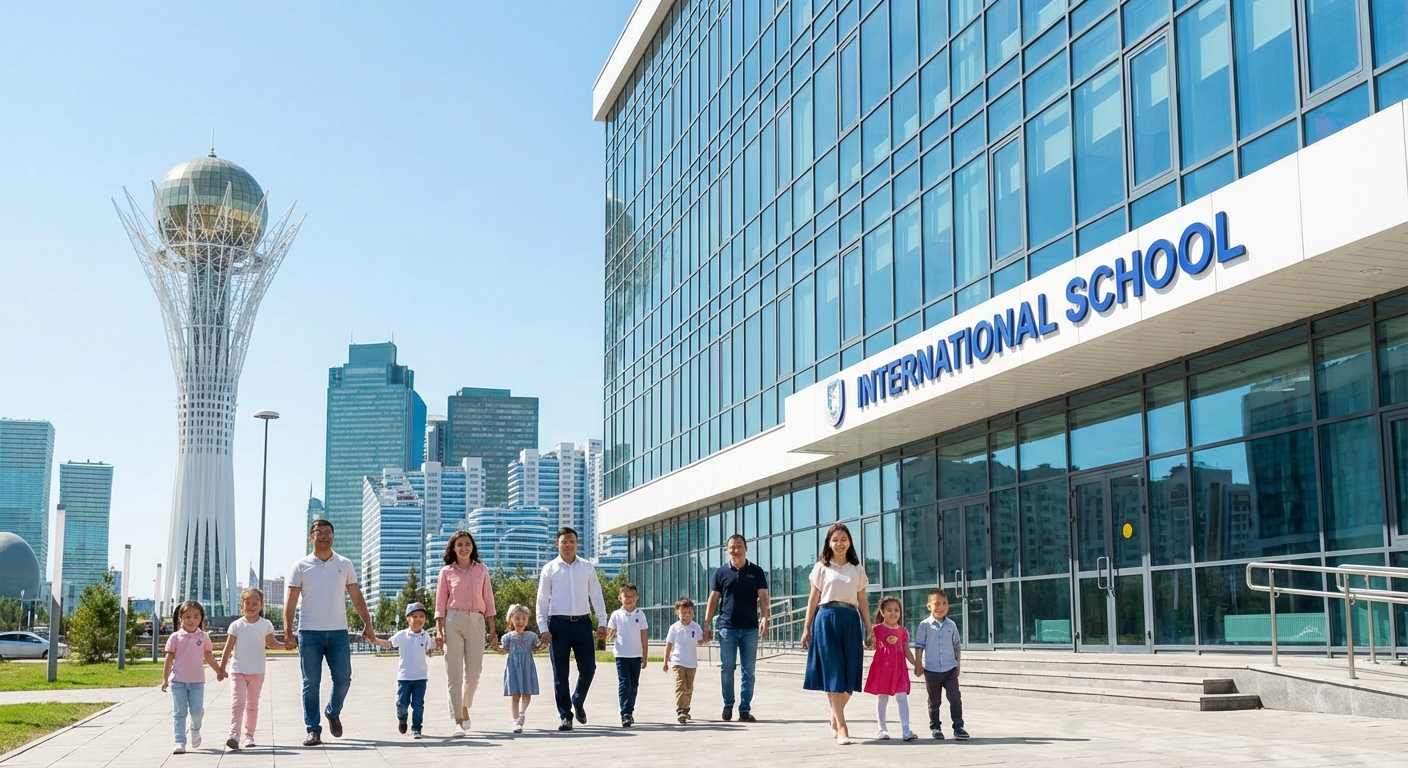
Choosing the right school for your children in a new country ranks among the most stressful parts of any international move. Astana offers a growing selection of international schools, each with distinct curricula, fee structures, and teaching philosophies. This guide breaks down what you actually need to know about the best international schools in Astana so you can make an informed decision before your family arrives.
Astana hosts several accredited international schools following British, American, and IB curricula, with annual fees ranging from $8,000 to $25,000. The top institutions include Haileybury Astana, QSI International School, Spectrum International School, and Miras International School. Most require entrance assessments, previous school records, and advance registration. English is the primary language of instruction, though some offer Kazakh and Russian language programs alongside core academics.
Understanding the International School Landscape in Astana
The capital’s international school sector has expanded significantly since the city’s transformation into Kazakhstan’s administrative center. Most schools cater specifically to expat families and local Kazakhstani families seeking English-language education.
You’ll find three main curriculum types represented.
British schools follow the National Curriculum for England, leading to IGCSE and A-Level qualifications. American schools use a U.S.-based curriculum with Advanced Placement courses. IB schools offer the International Baccalaureate Primary Years Programme, Middle Years Programme, and Diploma Programme.
Each system has different assessment methods, university recognition patterns, and teaching approaches. Your choice should align with where your family might relocate next and which university systems your children will likely apply to.
“The curriculum choice matters less than the school’s accreditation, teacher quality, and whether the environment suits your child’s learning style. A mediocre IB program won’t outperform an excellent British school simply because of the curriculum label.”
How to Choose Between Curriculum Types
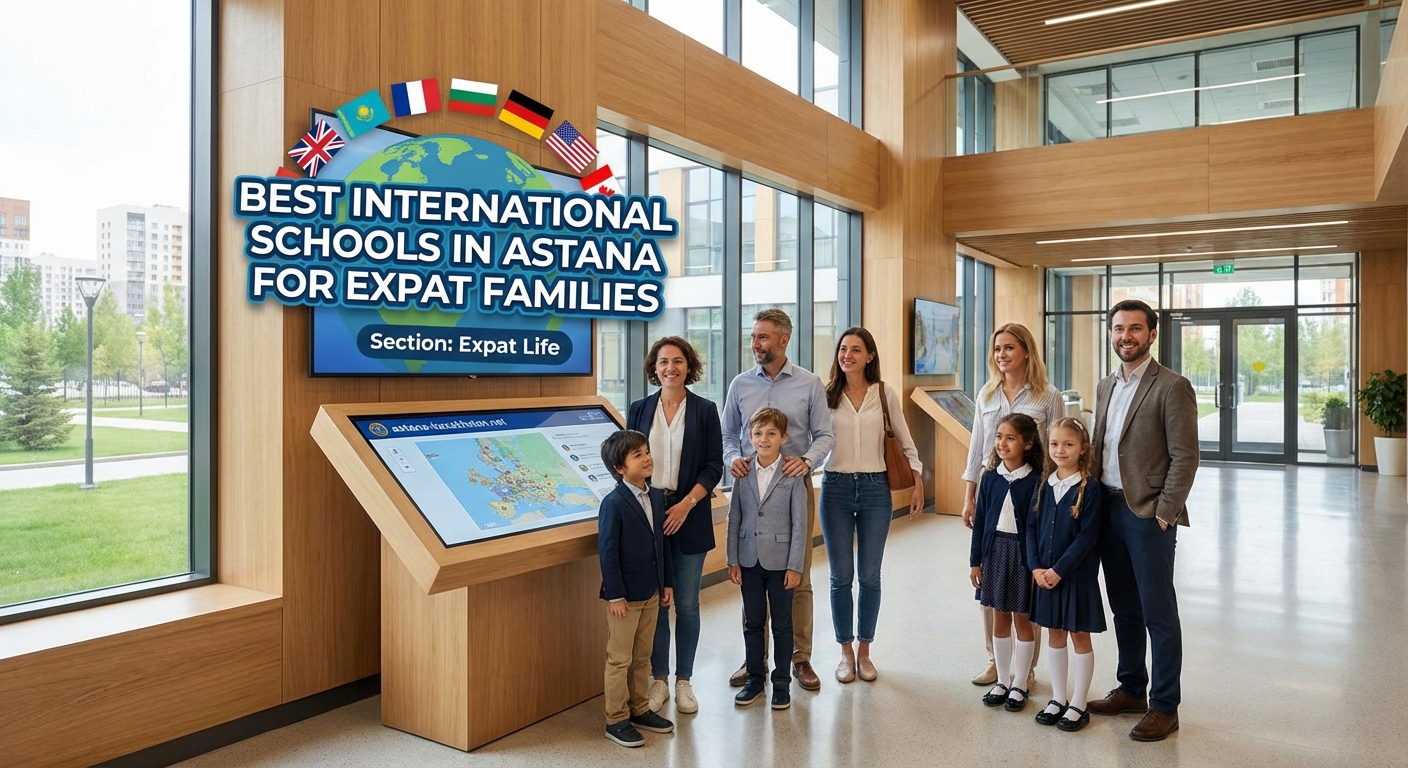
Start by considering your family’s future plans.
If you’re likely returning to the UK or moving within Commonwealth countries, British curriculum schools offer the smoothest transition. The IGCSE and A-Level qualifications are widely recognized by UK universities and many institutions worldwide.
American curriculum schools work best for families planning to return to the United States or apply to U.S. colleges. The Advanced Placement courses provide college credit opportunities and align with SAT preparation.
IB programs offer the most internationally portable qualifications. Universities in over 140 countries recognize the IB Diploma. The program emphasizes critical thinking and research skills but demands significant workload from students in the final two years.
Local context matters too. Some Astana schools integrate Kazakh language and culture classes regardless of their primary curriculum, which can enrich your children’s experience if you’re planning a longer stay.
Top International Schools in Astana
Haileybury Astana
Haileybury Astana follows the British curriculum from Early Years through to A-Levels. The school occupies a purpose-built campus on the left bank and maintains accreditation from the Council of British International Schools.
Class sizes typically range from 12 to 18 students. The school employs predominantly British-trained teachers and offers strong extracurricular programs including sports, music, and drama.
Annual fees for 2024 range from approximately $12,000 for Early Years to $22,000 for A-Level students. These figures exclude additional costs for uniforms, school trips, and some extracurricular activities.
Admission requires previous school reports, English language assessment, and interviews for older students. The school accepts applications year-round but spaces fill quickly for popular year groups.
QSI International School of Astana
Quality Schools International operates on an American curriculum model with a mastery learning approach. Students progress when they demonstrate competency rather than on a fixed timeline.
The school serves students from preschool through secondary school. Class sizes stay small, typically under 15 students per class. Teachers come primarily from the United States and Canada.
QSI charges approximately $15,000 to $18,000 annually depending on grade level. The fee structure includes most materials and activities, with fewer surprise costs than some competitors.
The mastery learning system suits students who need more time to grasp concepts or who want to accelerate in specific subjects. This flexibility appeals to families with children who struggled in traditional grade-level systems.
Spectrum International School
Formerly known as Nurorda International School, Spectrum follows the British curriculum with IB Diploma Programme options for older students. This combination allows students to experience the British system through Year 11 before choosing between A-Levels or IB for their final two years.
The school emphasizes STEM education and maintains partnerships with international universities for student exchanges and summer programs. Facilities include science labs, art studios, and sports complexes.
Annual tuition ranges from $10,000 to $20,000 depending on year group and chosen program. The school offers sibling discounts and occasional scholarships for exceptional students.
Admission requires entrance exams in mathematics and English, previous school transcripts, and recommendation letters. The school conducts assessments in person or remotely for families still abroad.
Miras International School Astana
Miras offers both the Cambridge curriculum and IB programmes across age groups. The school serves a predominantly local Kazakhstani population alongside expat families, creating a more culturally mixed environment than some competitors.
Kazakh and Russian language instruction receives significant emphasis alongside the English-medium core curriculum. This trilingual approach benefits families planning to stay in Kazakhstan long-term.
Fees range from approximately $8,000 to $16,000 annually, positioning Miras as a more affordable option while maintaining international accreditation. The school operates multiple campuses in Kazakhstan, which can ease transitions if your family relocates within the country.
Class sizes tend slightly larger than the purely expat-focused schools, typically 18 to 22 students. Teacher quality varies more than at premium-priced competitors, though the school has invested in professional development programs.
Comparing Costs and What’s Included
| School | Annual Fee Range | Registration Fee | Included in Tuition | Common Extra Costs |
|---|---|---|---|---|
| Haileybury Astana | $12,000 – $22,000 | $500 | Textbooks, basic materials | Uniforms, trips, some activities |
| QSI Astana | $15,000 – $18,000 | $400 | Most materials, activities | Transportation, lunches |
| Spectrum International | $10,000 – $20,000 | $600 | Core materials | Uniforms, IB exam fees, trips |
| Miras International | $8,000 – $16,000 | $300 | Basic supplies | Language classes, extracurriculars |
Registration fees are typically non-refundable and paid before admission assessments. Some schools require a refundable deposit once you accept a place, often equivalent to one term’s tuition.
Transportation costs vary by distance and provider. Most schools offer bus services for $1,000 to $2,000 annually. Lunch programs add another $800 to $1,500 per year if your child doesn’t bring food from home.
Uniform requirements differ significantly. British curriculum schools typically enforce strict uniform policies costing $300 to $500 per year as children grow. American and IB schools often allow more casual dress, reducing this expense.
The Application Process Step by Step
-
Research and shortlist schools at least six months before your planned arrival. Contact admissions offices to confirm space availability for your child’s year group and request detailed fee schedules.
-
Gather required documents including birth certificates, passport copies, previous school transcripts for the past two years, immunization records, and recommendation letters from current teachers.
-
Schedule assessments and interviews either in person if you’re already in Astana or remotely via video call. Most schools assess mathematics and English proficiency through written tests and oral interviews.
-
Submit applications with fees once you’ve completed assessments. Schools typically respond within two weeks regarding acceptance, waitlist status, or rejection.
-
Accept your place and pay deposits immediately upon receiving an offer if you want that spot. Popular schools fill quickly, and delaying can mean losing your place to another family.
-
Complete enrollment paperwork including emergency contact forms, medical information, transportation preferences, and extracurricular interest surveys before the start date.
-
Attend orientation sessions offered by most schools in late August. These help children meet teachers and classmates before the academic year begins in early September.
What Schools Actually Look for in Admissions
Academic readiness tops the list. Schools assess whether your child can handle grade-level work in English, even if English isn’t their first language. Students significantly behind grade level may be offered a place in a lower year group or required to complete intensive English support before starting.
Previous school behavior records matter more than many parents expect. Schools request these specifically and take disciplinary issues seriously during admission decisions.
Language proficiency requirements vary. British and American schools typically require functional English from the start, though they may offer English as an Additional Language support. Some schools accept students with limited English for younger year groups where language acquisition happens more naturally.
Special educational needs require upfront disclosure. Schools have varying capacity to support learning differences, ADHD, dyslexia, and other conditions. Hiding these needs during admission usually backfires when your child struggles and the school lacks appropriate resources.
Common Mistakes Expat Parents Make
Waiting until arrival to start the school search ranks as the biggest error. Popular schools fill spaces months in advance, and starting the academic year late puts children at a social and academic disadvantage.
Choosing based solely on curriculum without visiting or speaking to current parents leads to mismatches. A school might follow your preferred curriculum but have teaching quality, facility, or culture issues that make it unsuitable.
Underestimating total costs beyond tuition catches many families off guard. Budget for uniforms, transportation, school trips, extracurricular activities, and unexpected fees that can add 20% to 30% to the advertised tuition.
Ignoring the social environment matters as much as academics for children’s wellbeing. A school with 90% local students feels very different from one with 70% expat families, affecting friendship patterns and cultural adjustment.
Failing to plan for transitions if you might move again within a few years creates unnecessary disruption. If your company typically relocates families every two to three years, choose a curriculum that transfers easily to your likely next destination.
Beyond Academics to Consider
Extracurricular programs vary dramatically between schools. Some offer extensive sports, arts, and clubs included in tuition. Others provide minimal activities or charge separately for everything beyond core academics.
School location affects daily life significantly. Schools on the left bank near where expats actually live in Astana reduce commute times but may limit housing options. Right bank schools offer different neighborhood characteristics and proximity to older parts of the city.
Parent community engagement differs by school culture. Some schools organize regular parent coffees, volunteer opportunities, and social events that help expat families build networks. Others maintain more formal boundaries between school and family life.
Facilities quality ranges from purpose-built modern campuses to converted buildings with limited outdoor space. For families with athletic children or those prioritizing physical education, facility quality matters significantly.
Language Support and Cultural Integration
Most international schools in Astana offer English as an Additional Language programs, but the quality and intensity vary. Ask specific questions about EAL class sizes, how many hours per week students receive support, and how long students typically need before transitioning to mainstream classes.
Schools also differ in their approach to Kazakh and Russian language instruction. Some treat these as foreign languages with two to three hours weekly. Others integrate them more deeply into the curriculum, which benefits children’s local cultural understanding but takes time from other subjects.
Cultural integration programs help expat children understand their host country. Better schools organize field trips to Kazakh cultural sites, invite local speakers, and celebrate Kazakhstani holidays alongside international ones. This cultural awareness makes the expat experience richer and helps children appreciate their time in Kazakhstan.
What Current Expat Parents Say
Speaking with families already enrolled provides insights admissions materials never reveal. Most schools can connect prospective parents with current families willing to share experiences.
Ask about teacher turnover rates. High turnover disrupts learning and suggests management or compensation issues. Stable teaching staff indicates a healthier school environment.
Question how the school handled COVID-19 transitions and whether online learning infrastructure worked effectively. This reveals organizational competence and preparedness for future disruptions.
Find out about communication quality between school and parents. Do teachers respond promptly to concerns? Does administration handle issues professionally? Poor communication frustrates parents and leaves children’s needs unaddressed.
The expat community in Astana stays relatively small, and parents often connect through making friends in Astana networks where school experiences get discussed openly.
Alternatives to Traditional International Schools
Some families choose homeschooling or online international schools, particularly for older students who need specific courses unavailable locally. Kazakhstan’s regulations permit homeschooling for foreign residents, though you’ll need to manage curriculum selection and social opportunities independently.
Online schools like Crimson Global Academy or King’s InterHigh offer accredited British or American curricula with live online classes. These work well for families in Astana temporarily or with children who prefer independent learning styles.
Hybrid approaches combining online academics with local tutoring and extracurricular activities through sports clubs, music schools, or language centers provide flexibility. This option requires significant parental organization but costs substantially less than full-time international school enrollment.
Planning for University Applications
Different curricula align differently with university systems worldwide. A-Levels remain the gold standard for UK universities, though they’re increasingly recognized elsewhere. American curricula with strong SAT or ACT scores work well for U.S. college applications. IB Diplomas offer the broadest international recognition but require strong performance across all subjects.
University counseling quality varies significantly between Astana’s international schools. Larger, more established schools employ dedicated counselors who guide students through application processes. Smaller schools may offer limited support, requiring families to seek independent counseling.
Standardized testing access matters for American university applicants. SAT and ACT testing centers operate in Astana, but availability can be limited. Schools with experience supporting U.S. applications help students register and prepare effectively.
Settling Your Family Into School Life
The first term challenges most expat children regardless of school quality. New curriculum styles, different social norms, and language adjustments take time. Most children adapt within three to six months with appropriate support.
Maintaining connections to your home country education system helps if you might return. Some families supplement international school with online courses in their home curriculum, particularly for subjects like national history or literature that might be required later.
Building friendships outside school enriches your children’s experience. Astana offers various international youth groups, sports clubs, and activity centers where expat children connect beyond their school community.
Making the School Choice Work for Your Family
No perfect school exists, only the best fit for your specific family circumstances, children’s needs, and future plans. Prioritize the factors that matter most to your situation rather than chasing a theoretical ideal.
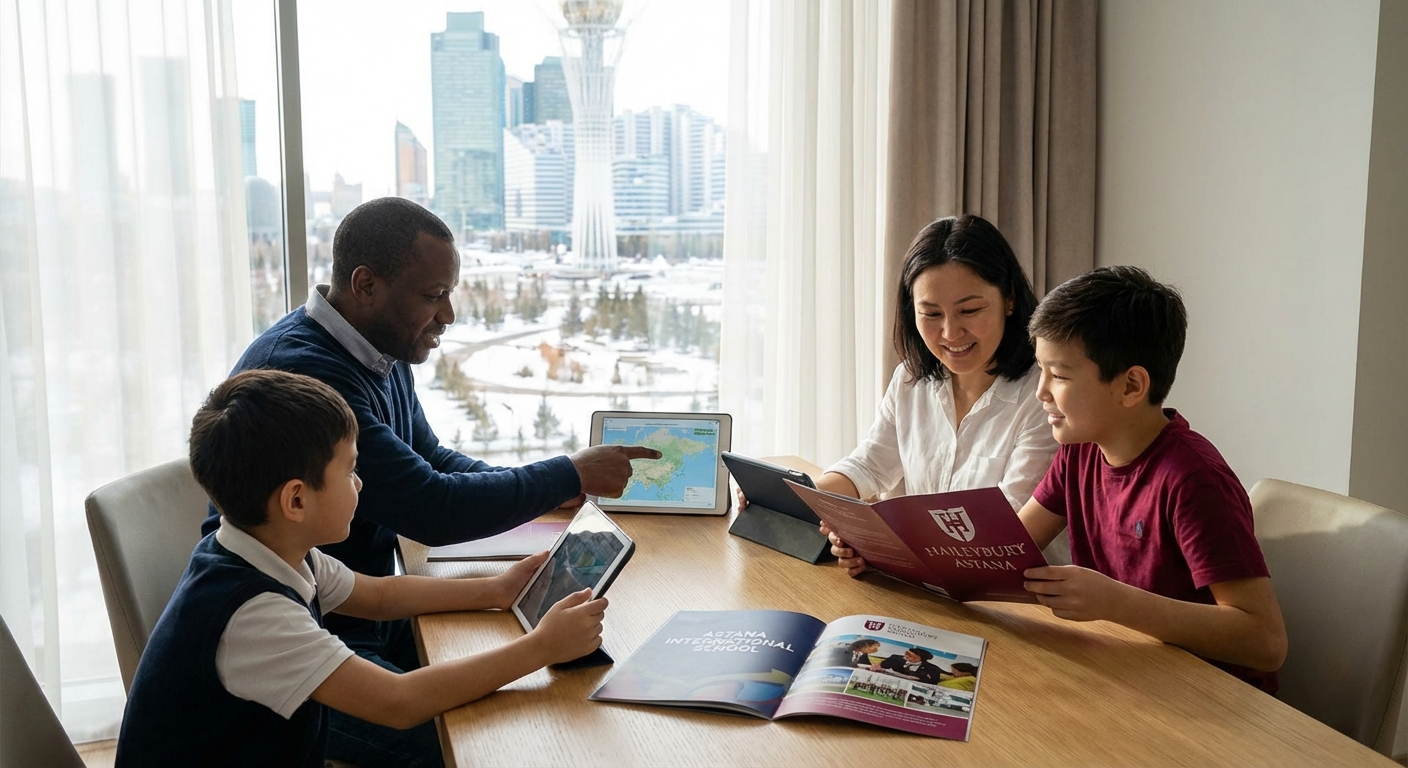
Visit schools in person if possible before committing. Campus tours, classroom observations, and conversations with staff reveal far more than websites and brochures. If you can’t visit before relocating, schedule visits during your first week in Astana and be prepared to adjust if your initial choice doesn’t match expectations.
Remember that changing schools mid-year disrupts children’s learning and social development. Take time to research thoroughly rather than rushing into the first available option. A few extra weeks of planning prevents years of regret.
Trust your instincts about school culture and whether your child will thrive there. Academic results and facilities matter, but your child’s daily happiness and engagement with learning matter more. The best international schools in Astana combine strong academics with environments where children feel supported, challenged, and genuinely excited to learn.