
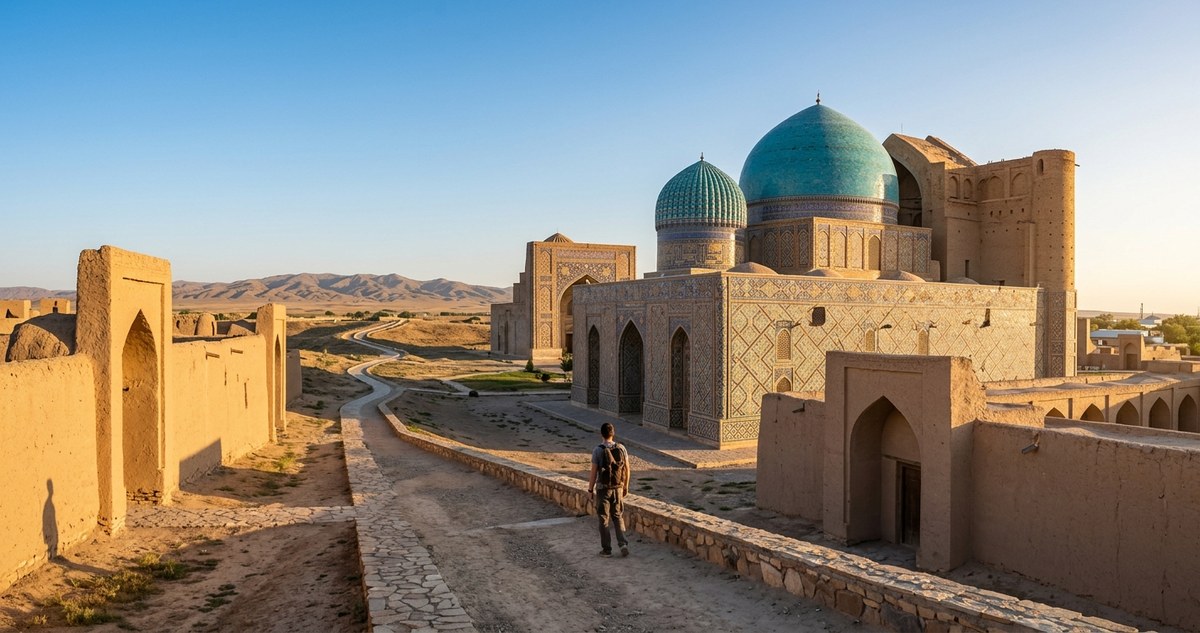
Kazakhstan’s vast landscapes and rich history make it a fascinating destination for travelers eager to walk in the footsteps of ancient traders. While Astana, now known as Nur-Sultan, dazzles with its futuristic skyline, the country’s Silk Road cities tell stories of centuries past. These historic hubs blend centuries-old traditions with modern revival, offering a deep dive into Central Asia’s vibrant heritage. For those curious about Kazakhstan’s ancient trade routes and cultural sites beyond the capital, this guide sheds light on the must-visit Silk Road cities that deserve a spot on your travel list in 2026.
Kazakhstan’s Silk Road cities offer a captivating mix of ancient ruins, spiritual sites, and lively markets. Exploring beyond Astana reveals a country rich in history, culture, and natural beauty that beckons travelers seeking authentic experiences in 2026.
The Roots of Kazakhstan’s Silk Road Heritage
Kazakhstan sits at the crossroads of ancient trade routes that connected China to the West. These paths, known as the Silk Road, facilitated not just commerce but also cultural exchanges. Over centuries, cities along these routes blossomed into vibrant centers of learning, religion, and craftsmanship. Today, many of these locations remain as living monuments to the country’s storied past. Visiting them offers insight into how Kazakhstan integrated diverse influences into its identity, shaping its modern culture.
Top Silk Road Cities to Visit Beyond Astana
Kazakhstan’s Silk Road cities are scattered across the country, each with its own distinct character. From spiritual centers to bustling trading towns, these destinations enrich any travel itinerary.
1. Turkestan: The Spiritual Heart of Kazakhstan
Turkestan is home to the UNESCO World Heritage-listed Mausoleum of Khoja Ahmed Yasawi. Built in the 14th century, this majestic structure is a symbol of Kazakh Islamic heritage. The city itself pulses with religious significance and vibrant markets. Visiting Turkestan provides a window into the spiritual traditions that have sustained Kazakh culture for centuries.
2. Otrar: The Ancient Trading Hub
Otrar was once a flourishing city along the trade routes linking Persia and China. Today, the ruins of medieval Otrar stand as a testament to its historic importance. Visitors can explore archaeological sites, including city walls, ruins of caravanserais, and remnants of ancient fortresses. Otrar’s quiet ambiance makes it perfect for history buffs eager to walk through the pages of the Silk Road’s history.
3. Sauran: Kazakhstan’s Largest Silk Road Trading Post
Once a key stop for merchants traveling across Central Asia, Sauran features impressive archaeological remains. The city’s fortress walls, mausoleums, and caravanserais reveal a thriving commercial center from centuries past. Sauran’s expansive ruins offer a glimpse into the bustling trade that made this region a vital link in Asian commerce.
4. Taraz: The Cradle of Kazakh Culture
Known as the city of 40,000 artifacts and thousands of monuments, Taraz boasts a history dating back over 2,000 years. Its ancient sites include the Aisha Bibi and Karakhan Mausoleums, which exemplify medieval architecture and craftsmanship. Taraz also hosts museums and cultural centers that celebrate Kazakh traditions.
5. Shymkent: The Modern Gateway to Silk Road Heritage
While Shymkent is now a lively city, it retains echoes of its Silk Road past. The city serves as a hub for travelers seeking day trips to nearby ancient sites. Its vibrant bazaars and hospitable atmosphere make it an ideal base for exploring southern Kazakhstan’s rich history.
Practical Steps for Planning Your Silk Road Journey
Traveling to these historic cities involves some preparation. Here is a straightforward process to help you get started:
-
Research Visa Requirements
Check the latest visa policies for Kazakhstan. Many travelers can obtain e-visas or visas on arrival, but it’s essential to verify current regulations. -
Book Your Flights and Internal Transport
Major cities like Almaty or Shymkent serve as entry points. From there, domestic flights, trains, or car rentals can connect you to Silk Road sites. -
Plan a Flexible Itinerary
Allocate at least one to two days per city to fully appreciate the sites. Consider guided tours for deeper insights, especially at religious and archaeological landmarks.
Tips for a Seamless Experience
- Pack modest clothing for visits to religious sites.
- Learn a few basic Kazakh or Russian phrases.
- Bring a camera to capture ancient architecture and scenic landscapes.
- Respect local customs and traditions.
Cultural Highlights You Should Not Miss
- Visiting the mausoleums and mosques in Turkestan.
- Tasting traditional Kazakh dishes in local markets.
- Participating in regional festivals or handicraft workshops.
- Photographing the stunning ruins and natural scenery surrounding these cities.
“Traveling through Kazakhstan’s Silk Road cities is like walking through an open-air museum. Each site tells a story of resilience, faith, and commerce that shaped Central Asia.” — Local historian
Common Mistakes to Avoid
| Mistake | Why it Matters | How to Avoid |
|---|---|---|
| Underestimating travel time | Cities are spread out and transportation can be slow | Plan extra time for transfers and sightseeing |
| Ignoring local customs | Can lead to misunderstandings or disrespect | Research cultural norms before visiting |
| Not securing necessary permits | Some sites or regions require special permissions | Check with local tour operators or guides in advance |
| Overpacking | Adds unnecessary hassle | Pack essentials and leave room for souvenirs |
Engaging in Authentic Kazakh Experiences
- Try traditional dishes like beshbarmak and kazy.
- Attend a nomadic yurt stay in the countryside.
- Participate in a horseback riding tour of the steppe.
- Learn about eagle hunting, an ancient Kazakh tradition.
The Future of Silk Road Sites in Kazakhstan
In 2026, efforts continue to preserve and promote Kazakhstan’s Silk Road heritage. Many sites have received UNESCO recognition or are undergoing restoration. Initiatives aim to make these destinations more accessible and engaging for international visitors. Visiting these cities now supports local communities and conservation efforts.
Final Thoughts on Kazakhstan’s Silk Road cities
Traveling beyond Astana to Kazakhstan’s Silk Road cities offers a rewarding journey through history, culture, and natural beauty. These sites not only reveal the country’s ancient past but also highlight its ongoing resilience and cultural vibrancy. Whether wandering through ancient ruins, marveling at sacred shrines, or sampling local cuisine, each destination leaves a lasting impression. Craft your itinerary thoughtfully, respect local customs, and immerse yourself in the stories these cities have to tell.
Your Invitation to Step into Kazakhstan’s Past
Embarking on a trip through Kazakhstan’s Silk Road cities invites you to walk in the footsteps of traders, pilgrims, and explorers who shaped this crossroads of civilizations. Make the most of your visit by planning ahead, engaging with local communities, and staying curious. This journey promises not only sightseeing but also meaningful cultural connections that will stay with you long after your return.