
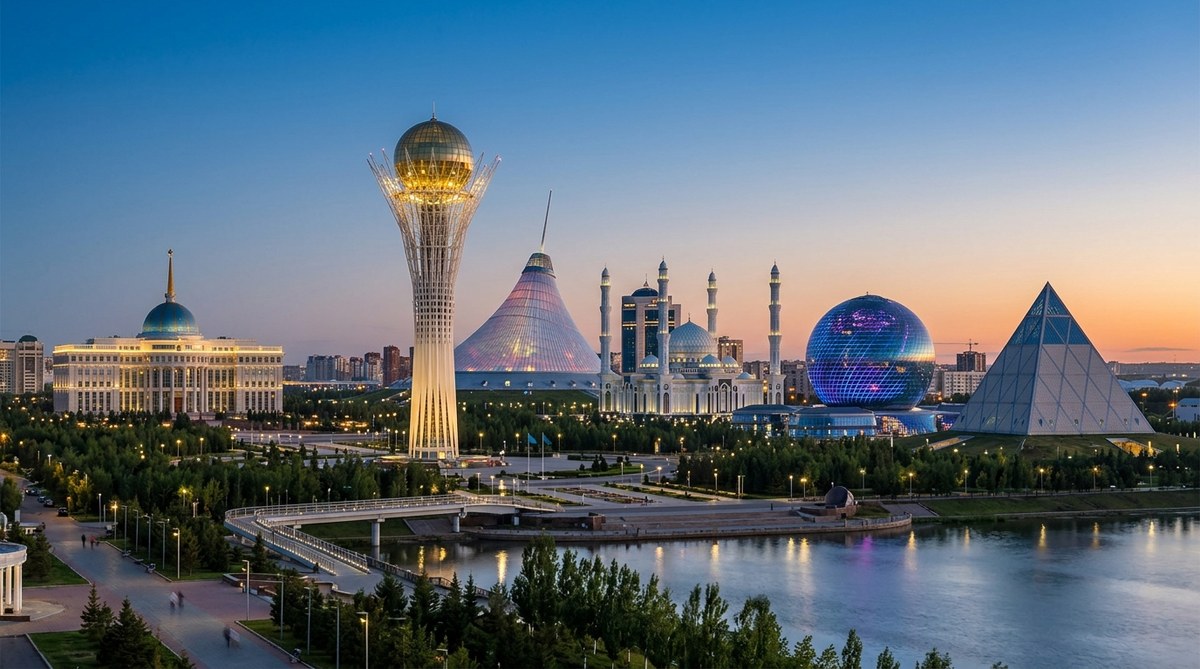
Astana, Kazakhstan’s capital, stands as a shining example of a city that has transformed dramatically over the past few decades. Its skyline is a testament to rapid development and visionary architecture. What began as a modest settlement has grown into a hub of innovation and bold design. This evolution is visible in the city’s distinctive landmarks that blend traditional Kazakh motifs with futuristic concepts. Unveiling the architectural journey of Astana offers a window into the nation’s ambitions and cultural identity.
The architectural evolution of Astana showcases a city that seamlessly merges its nomadic heritage with cutting-edge modern design, creating a skyline that symbolizes Kazakhstan’s progress and cultural pride.
Tracing the roots of Astana’s architecture
Before it became the capital known for its striking skyline, Astana was a small settlement with Soviet-era buildings. During the 1960s and 70s, the city reflected typical Soviet modernist styles—functional, utilitarian, and straightforward. These structures laid the foundation for future growth but lacked the distinctive character seen today. Following Kazakhstan’s independence, the government aimed to give Astana a new identity. This marked the beginning of a deliberate shift toward innovative architecture and urban planning.
The significant milestones in Astana’s architectural journey
The city’s transformation can be mapped through key milestones that reflect changing priorities and design philosophies.
From Soviet modernism to a national icon
In the late 1990s, the decision to move the capital from Almaty to Astana (then called Akmolinsk) sparked a wave of new projects. Kisho Kurokawa’s master plan aimed to give the city a futuristic vision. The Nakhostinovskaya Boulevard became a canvas for ambitious designs. The transfer was part of a broader plan to develop Astana into a symbol of Kazakh independence and progress.
The rise of iconic landmarks
Post-2000, the city saw a flurry of architectural activity. Structures like the Bayterek Tower, with its symbolic golden sphere, became a national symbol. The Khan Shatyr, a giant tent-like entertainment complex, introduced a high-tech, futuristic aesthetic. The Presidential Palace, Akorda, reflects a blend of traditional motifs and modern grandeur. These landmarks set the tone for a city that values bold, innovative design.
International recognition and Expo 2017
Hosting Expo 2017 marked another milestone. The event showcased Kazakhstan’s technological aspirations. The Nur Alem sphere, the world’s largest spherical building, exemplifies the city’s push for innovative architecture. The event also spurred investments in infrastructure, further elevating Astana’s skyline.
Modern architectural styles shaping the city
Astana’s development reflects a mix of styles that mirror its evolution—from Soviet modernism to high-tech and postmodernism.
Soviet modernism
While much of the Soviet-era architecture remains, it now serves as a backdrop to newer structures. These buildings are characterized by their utilitarian design and concrete facades.
High-tech and futuristic designs
From the glassy facades of the Astana City Tower to the sleek silhouette of the Astana Opera, the city embraces modern technology. Materials like steel and glass dominate, creating a shiny, ever-changing skyline. The city’s architects often incorporate Kazakh motifs into their designs, giving a cultural edge to modern structures.
Postmodern influences
Some newer buildings incorporate playful shapes and vibrant colors. The Palace of Peace and Reconciliation, with its pyramid shape, exemplifies a move toward more symbolic and eclectic architecture.
Key landmarks that define Astana’s skyline
The city’s landmarks are more than just buildings—they are symbols of national identity and aspirations.
- Baiterek Tower: This flagship structure symbolizes Kazakhstan’s growth. Its spherical observation deck offers panoramic city views.
- Khan Shatyr: An indoor shopping and entertainment center resembling a giant tent, reflecting Kazakh nomadic traditions.
- Palace of Peace and Reconciliation: A pyramid designed for cultural and religious dialogue, blending traditional motifs with modern architecture.
- Nur Alem sphere: The centerpiece of Expo 2017, representing Kazakhstan’s innovative spirit.
- Astana Opera: A modern take on classic design, combining elegance with state-of-the-art acoustics and architecture.
Practical steps to understand Astana’s architectural evolution
- Research historical architectural styles: Start by examining Soviet-era buildings to understand the city’s origins.
- Visit iconic landmarks: Take guided tours or self-guided walks around key sites to see architectural styles firsthand.
- Compare design elements: Note how traditional motifs are embedded into modern structures for cultural continuity.
Techniques shaping the city’s architecture and common pitfalls
| Technique | Description | Common Mistakes |
|---|---|---|
| Use of symbolic motifs | Incorporating Kazakh symbols into building designs | Over-simplification or misinterpretation of symbols |
| Modern materials | Steel, glass, and innovative composites | Poor maintenance leading to wear and tear |
| Sustainable design | Green roofs, energy-efficient systems | Ignoring local climate conditions during planning |
| Integration with urban landscape | Harmonizing buildings with surroundings | Failing to consider scale and context |
“Astana’s architecture is a vivid narrative of Kazakhstan’s journey—each landmark telling a story of ambition, tradition, and innovation,” says Kazakh urban planner Alimkhan Nurzhan.
How to appreciate Astana’s architectural evolution on your visit
- Plan a walking tour of the Left Bank district, known for its modern landmarks.
- Attend architecture-focused events or exhibitions if available.
- Use photo guides to capture the contrast between old Soviet buildings and futuristic structures.
Beyond the landmarks: The city’s ongoing evolution
Astana continues to grow and adapt. New projects aim to enhance sustainability and cultural representation. The city’s planning authorities are increasingly focusing on creating public spaces that blend functionality with aesthetics. Future developments might feature more eco-friendly buildings and smart city technologies, further defining the city’s unique identity.
Final thoughts on Astana’s architectural story
The evolution of Astana’s architecture is a mirror of Kazakhstan’s aspirations. From Soviet roots to a showcase of futuristic design, each structure contributes to a narrative of resilience and innovation. Visiting Astana offers a chance to witness firsthand how a city’s skyline can reflect its soul. As the city continues to grow, it remains a compelling destination for those interested in architecture’s power to shape identity.
Keep exploring Kazakhstan’s architectural marvels
Whether you’re an architecture enthusiast or a curious traveler, the story of Astana’s development invites you to look closer. Walk its streets, admire its landmarks, and imagine the visionaries behind each design. This city’s architectural evolution shows how a nation can craft its future while honoring its past.
Ready to see Astana’s architecture in person? Consider booking a guided tour or finding a local guide who can share insights into each landmark’s story. This approach will deepen your understanding and appreciation of how Astana’s buildings reflect its bold spirit.